

Subscribe to the Techish Podcast on Apple Podcasts, Spotify, And Other Platforms. Episode Content: In this episode of this Techish, Abadesi and Michael discuss: 💰 Jeff Bezos the trillionaire?💭 Google scaling back diversity efforts? [9:32]👩🏾💻 Remote work for all? [30:08]🎤 Deep faking Jay Z [17:29] Extras: Techish on Patreon: Advertise with Techish: Please rate and review the Techish podcast
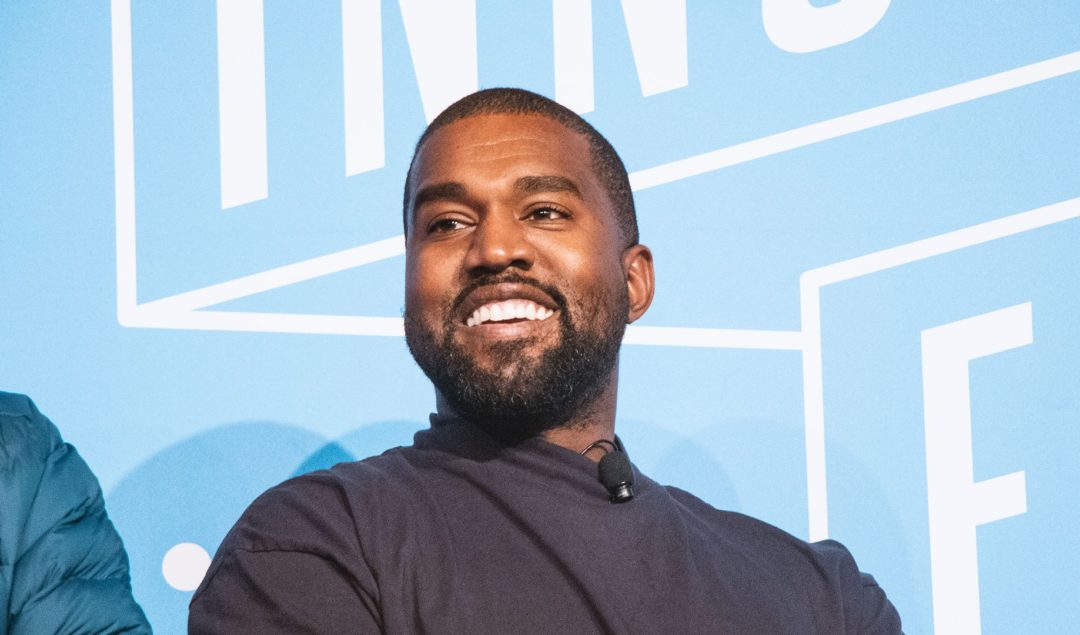
Subscribe to the Techish Podcast on Apple Podcasts, Spotify, And Other Platforms. Episode Content: In this episode of this Techish, Abadesi and Michael discuss: 💰 Does Kanye being a billionaire matter?🤦🏾 Elon Musk and baby names😟 Airbnb & Uber layoffs🤦🏾♀️ Silly interview questions we love/hate Extras: Techish on Patreon: Advertise with Techish: Please rate and review the Techish podcast
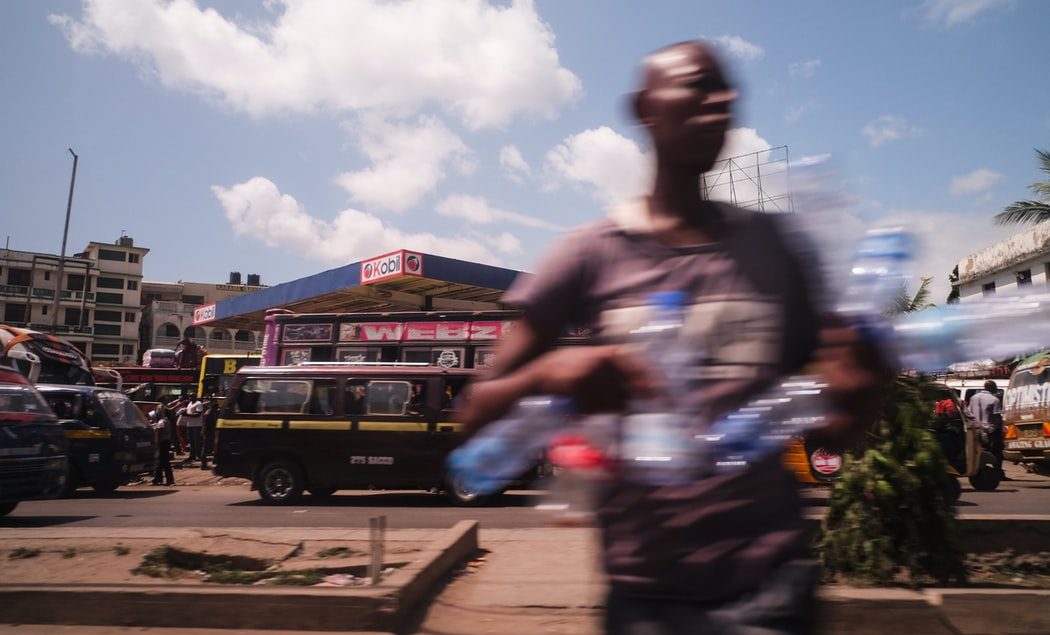
It’s fair to say Kenya’s predominantly informal sector is currently under shock, due to the impact of the ‘rona’ and the measures and mitigations that have followed: quarantines, social distancing rules, curfews, restrictions and possibly lockdowns. M-Pesa inextricable link with Kenya’s biashara economy [small trader economy] fully exposes it to this shock. Newly appointed CEO Peter Ndegwa of Safaricom and M-Pesa admitted to Reuters , that the mobile payments darling of Africa and East Africa is fully dependent on the economy of Kenya. It has only been a month of subdued biashara,
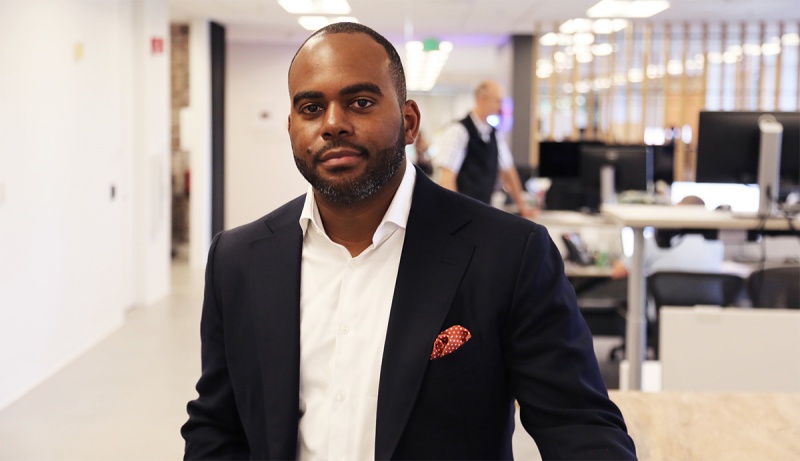
About the author: Austin Jeter is a senior at Morehouse College who aspires to work within Product after he graduates in May. Ultimately, Austin’s chief ambition is to be a venture capitalist. Feel free to contact Austin at Austinlb.jeter@gmail.com regarding opportunities, questions, comments, etc When you think of the technology industry, the first place that comes to mind is Silicon Valley. Your mind might also drift to the t-shirt wearing, free food, and “nap pod” centric work culture. Others may think of the Stanford and Harvard grads forming startups trying to

Subscribe to the Techish Podcast on Apple Podcasts, Spotify, And Other Platforms. Episode Content: In this episode of this Techish, Abadesi and Michael discuss: 🤦🏾♀️ When sharing your six-figure tech salary goes wrong? 😤 Scooter company Bird laying off 400 employees on one Zoom call? 😤 Thoughts on the Andreessen Horowitz “time to build’ memo 🤣 The Weeknd vs Usher Extras: Techish on Patreon: Advertise with Techish: Please rate and review the Techish podcast
My nascent investment thesis — of sorts It is hard to be optimistic about tech these days. If in the early 2010s we were all keen and positive, now we’ve seen the consequences — albeit unintended — of big tech. The tech-lash is real and governments are scrambling and scratching their heads for solutions. Senator Warren wanted to break up big tech. Andrew Yang wanted to give every American a universal basic income to help the country deal with the challenges of automation. I am not blind to any of

Women founders of color deserve recognition — and money. It’s time to replace the window-dressing with real representation. On International Women’s Day, we should focus on the numbers and the right numbers. International Women’s Day (#IWD2020) was designed to celebrate the social, economic, cultural and political achievements of all women — while also marking a call to action for accelerating gender equality. So instead of letting this day pass as yet another PR opportunity to highlight a company or firm’s gender diversity with one specific racial background, let’s take a

In the 1960’s, the U.S. was in the middle of the Vietnam War. Traditional physical weaponry warfare was proving to be unsuccessful with the challenges faced through drastic cultural differences between the Vietnamese and the US. So the U.S. embarked on a counter insurgency and domestic research project, known as ARPA, deeply investing in the behavioral and social sciences — creating a more efficient warfare. “The idea was to understand the enemy, to know their hopes, their fears, their dreams, their social networks and their relationships to power.” [1] But
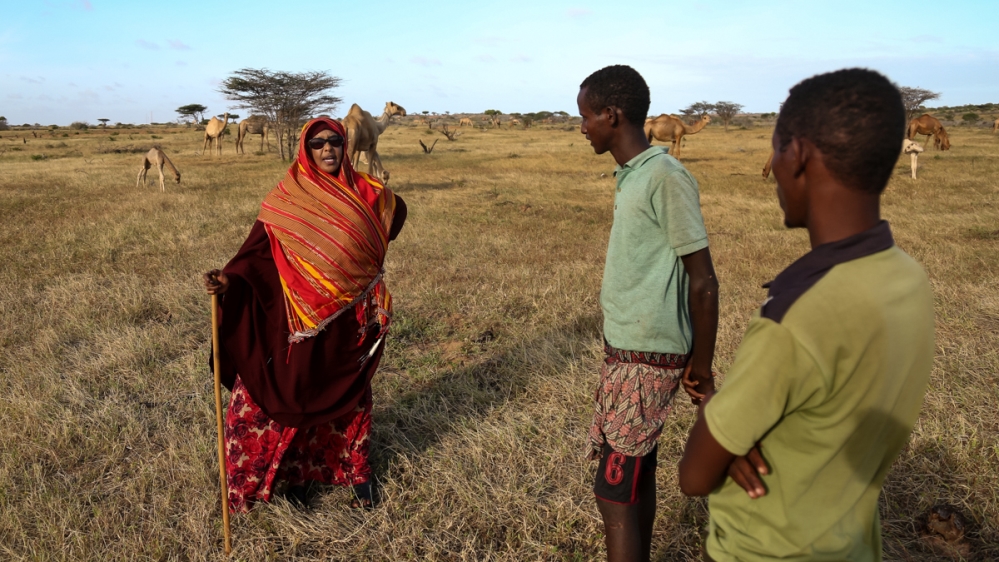
The importance of informal finance arrangements is a reverberating theme across Africa. Informal doesn’t necessarily mean bad or evil or dirty, it’s just that rather than rely on the heavy hand of the law, some communities prefer to place their trust in reputation and social networks for all trade commerce and financial relationships whether offline or online. Others, will turn to informal institutions of trade and finance when faced by adversity in an immediate harsh environment such as war, political instability, structural programs or lack of reliable services. For example,

A recent National Center for Women & Information Technology “By the Numbers” report puts Black women in computing in 2018 at 3% — and this statistic does not make a distinction between technical and nontechnical women in computing. Of the overall U.S. population, roughly 4.5% identify as LGBT. Since it’s incredibly hard to find industry-wide statistics on LGBT folks in tech, let’s take an extremely optimistic view and assume 4.5% of people in computing are LGBT. Combining these two percentages tells us that .00135% of the computing workforce identifies as Black, queer, and


