Backlash as Pastor Jamal Bryant Claims Year-Long ‘Target Fast’ Boycott Is Over
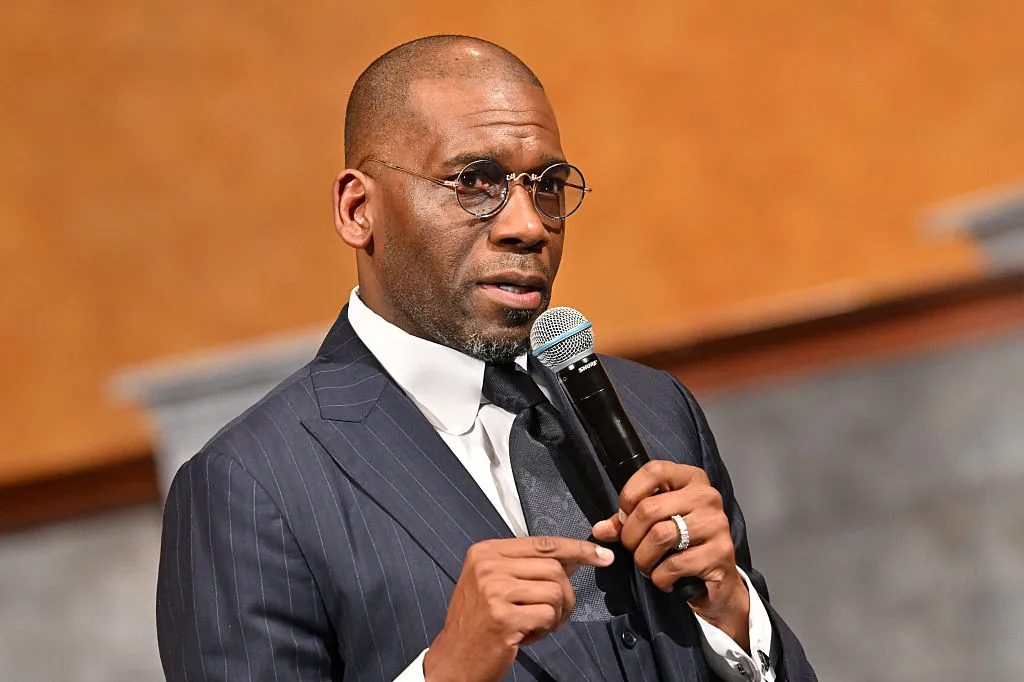
Pastor Jamal Bryant announced on March 11 that the yearlong “Target Fast” had come to an end, following a meeting with Target CEO Michael Fiddelke. Bloomberg reported that Bryant cited progress on several key demands, including Target’s pledge to fulfil its $2 billion commitment to Black-owned businesses and a new employee inclusion programme called “Belonging.” But the women who organised the boycott before Bryant joined it have disputed both the announcement and his authority to make it.
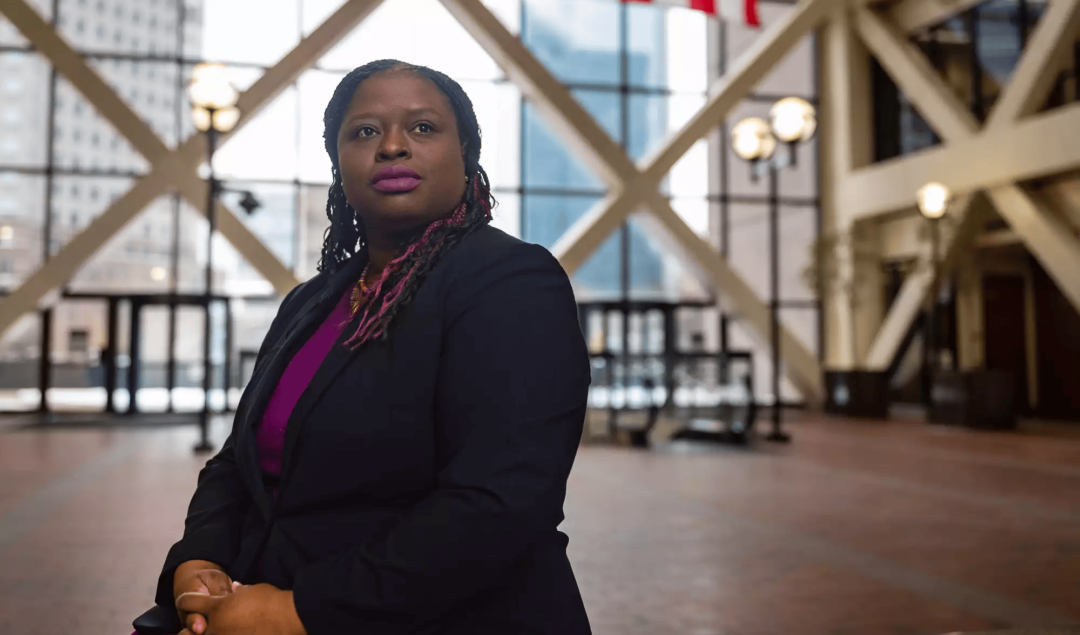
The boycott did not start with Bryant. On February 1, 2025, Minneapolis civil rights attorney Nekima Levy Armstrong, alongside organisers Monique Cullars-Doty and Jaylani Hussein, launched a formal boycott of Target after the retailer rolled back its DEI commitments, breaking pledges made following the 2020 murder of George Floyd. Around the same time, former Ohio state senator Nina Turner called for a separate nationwide boycott through her organisation We Are Somebody, and recruited activist Tamika Mallory to help. Bryant then joined, offering to lead a 40-day faith-based “Target Fast” through his church network, which expanded the campaign’s reach across Atlanta, Houston, Jacksonville, and Alexandria, Virginia.
That distinction matters, because it shapes how Bryant’s announcement landed.
The Original Boycott
Bryant’s March 11 press conference at the National Press Club in Washington DC, alongside Turner and Mallory, declared the Target Fast over. He cited three of four original demands having been met. Levy Armstrong, however, said she had no prior knowledge of the announcement until she saw the headlines, and criticised Bryant for using a photo of her daughter, taken at the original January 2025 press conference, in media coverage of his statement.
Levy Armstrong responded with her own press conference outside Target’s Minneapolis headquarters the same afternoon. “Let’s be clear: the Target boycott is not over,” she said. “This is a grassroots movement led by communities demanding corporate accountability, and we will not stop until Target reverses its retreat from diversity, equity, and inclusion.”
Her co-organiser Jaylani Hussein, executive director of CAIR-Minnesota, echoed her directly. “The facts are simple: Target has not reversed its decisions, it has not met the demands of the boycott, and therefore the boycott continues,” he said, per Black Enterprise.
What Has Actually Changed at Target?
USA TODAY confirmed that Target has made no new DEI commitments and has not reversed any policy changes implemented following President Trump’s January 2025 executive order dismantling corporate DEI programmes. Bryant himself acknowledged the “Belonging” programme was not a formal reinstatement of DEI, describing it as “essentially DEI as I read it” in an interview.
Target’s statement to Bloomberg said it was “pleased to be moving forward” as a “trusted neighbour” in over 2,000 communities. The company did not address whether it would reverse any DEI rollbacks.
“A Slap in the Face”
The 19th reported that Levy Armstrong said Bryant’s announcement was premature and dismissive of the women who built the movement. “Women, period, are the ones who have been the main sustainers of this boycott because we are the ones in control of our family’s discretionary income. To have a man come out of nowhere and try to call for an end to it also is a slap in the face.”
Turner told The 19th she was particularly troubled by reports that Target described DEI as “divisive” during a recent meeting with Washington DC coalitions who have held weekly protests outside a local store. “That doesn’t seem to me a corporation that has learned its lesson,” she said, adding she would not return to Target until the company issued a public apology.
Mallory, while denying accusations of co-opting the Minnesota organisers’ work, agreed that no single leader could end a grassroots movement. “No one group of people has the authority to call off a grassroots-led movement,” she said.
Bryant Apologises
Within days of his announcement, Bryant issued a public apology on his podcast, acknowledging he had been “out of touch” and that he had never intended to tell people to return to Target. “I never encouraged people to go back in Target or to start shopping there,” he said. He credited Levy Armstrong, Turner, and Mallory with leading the movement and stated the Target Fast was always a distinct tactic, not the boycott itself.
The boycott, meanwhile, continues in Minnesota and beyond. Organisers say it has contributed to Target’s stock dropping roughly 30 percent in 2025, a 9.3 percent decline in foot traffic, and the resignation of former CEO Brian Cornell.