

Nigerian startup Stears has announced a $3.3 million seed round led by MaC Venture Capital which included Serena Ventures. What started as a written media publication by a group of Nigerian graduates is now a growing data insights company with its sights set on rivalling the likes of Bloomberg. Backed by Serena Ventures Serena Williams was playing in the US Open when the seed round for Stears came together. Nevertheless, according to Serena Ventures’ founding general partner, they were keen to invest and fought “tooth and nail” to get in.
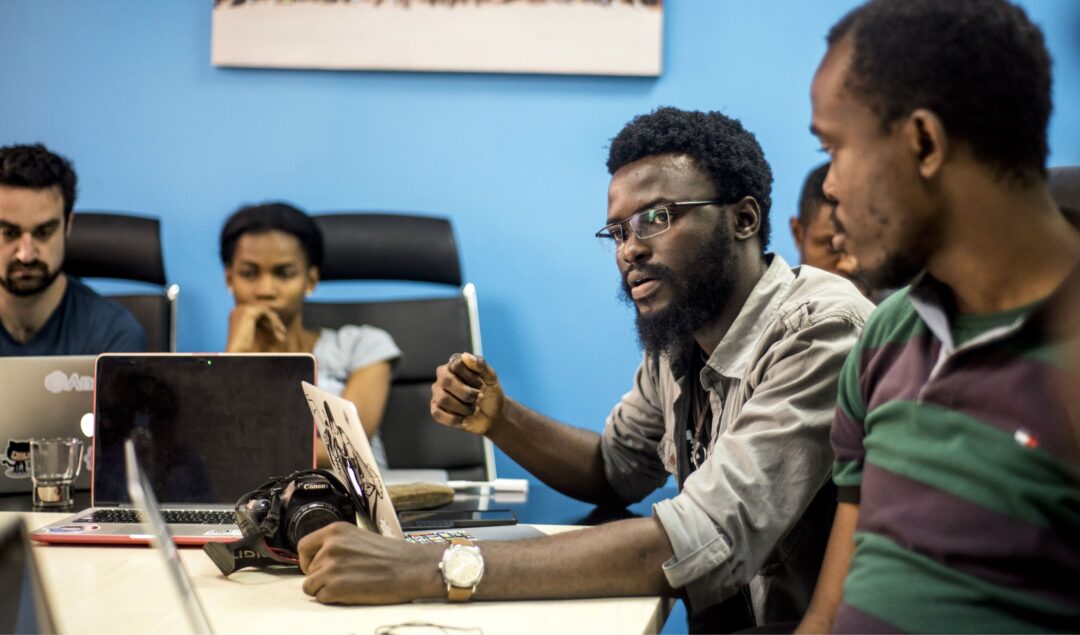
Funding for African startups has hit a new record between January and June. According to reports, the African market is the first to see more than a single digit of growth which was extremely unpredictable considering the slowdown globally. Venture capital deals within the African region reached a striking $3.5 billion in six months, with no other continent coming marginally as close to Africa’s startup funding growth. Of the 300 companies that benefitted from this funding, 27% were led by female founders or had at least one female founder. This is
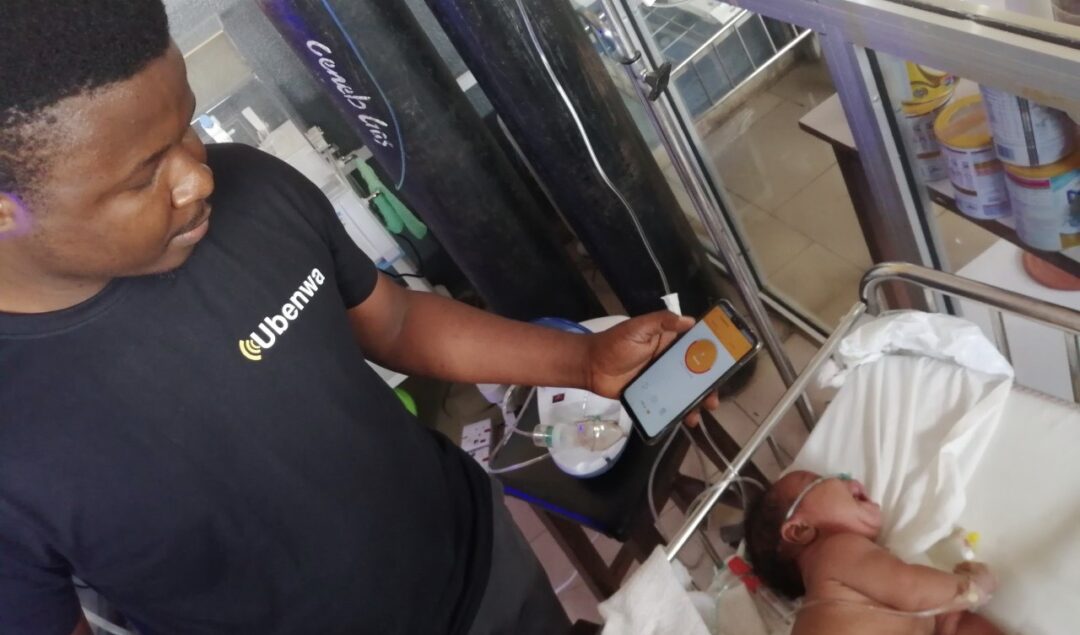
Black-owned health startup Ubenwa uses artificial intelligence to detect early diseases in babies and their cries. The startup’s learning system analyzes the amplitude of a baby’s cry and uses cutting-edge AI to diagnose infants up to six months old. By analyzing the frequency patterns of a baby’s cry, the AI-powered software picks up on brain and lung conditions in young infants. Communicating with babies Ubenwa was co-founded in 2017 by Charles Onu, Samantha Latremouille, and Innocent Udeogu. The startup combines AI techniques with medical expertise to detect breathing conditions and

Byld Ventures, a $15 million fund launched this May, has eyes for startups mainly across Egypt and Nigeria due to the partners’ experiences in those markets. Byld Ventures reached its first close almost in June and a second close at $10 million last month. It expects to achieve its final close by year’s end, according to TechCrunch. Over a dozen athletes have backed the fund as well as the Dubai government and several unnamed institutional LPs. The early-stage fund — which has made four investments: Ceviant, Apata, Thepeer and Anchor — consists of four

Lagos-based fintech, Duplo, has raised $4.3 million in seed funding. The seed funding round, led by Liquid2 Ventures, Soma Capital, Tribe Capital, Commerce Ventures, Basecamp Fund, and Y Combinator, will help Duplo launch new products and expand its business into new sectors in Nigeria. The fintech platform, founded by Yele Oyekola and Tunde Akinnuwa in September 2021, has become one of Nigeria’s top fintech platforms, helping African organizations seamlessly collect payments from their clients and partners. In February, the startup managed to raise $1.3 million in a pre-seed funding round led by pan-African VC firm
As Africa’s tech ecosystem grows, the demand for talent is soaring. For young Africans, digital skills have become ever-more important and attractive. In 2021, according to the Africa Developer Ecosystem Report (pdf), Africa’s developer community grew by 3.8%, bringing the total number of developers on the continent to 716,000. The average local developer in Africa is seven years younger than their global counterpart and has up to three years of experience. The pandemic drove increased adoption of remote work around the world, leading to international companies recruiting African developers at
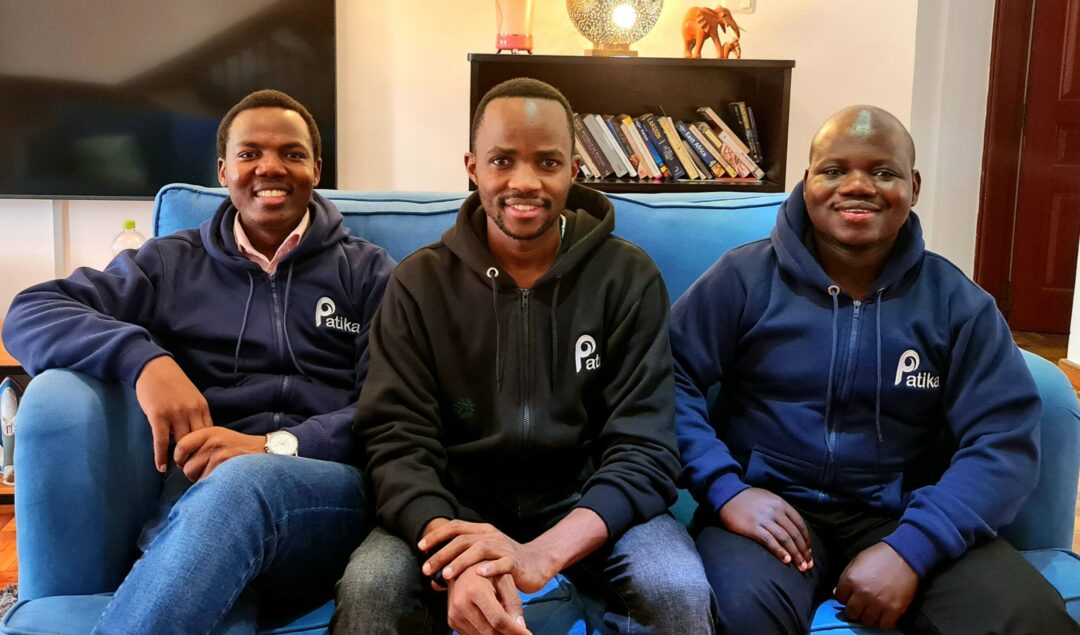
Y Combinator’s summer (S22) batch is notably different to its previous ones. Firstly, this batch kicked off with an in-person event – the first since the winter 2020 batch. Secondly, the summer cohort includes 240 companies, significantly fewer than the 414 companies in the winter 2022 cohort. And third, only eight startups in Africa got into the accelerator this summer compared to 24 from the previous batch, representing a 60% reduction. While the region represented about 6% of the entire winter batch, it’s 3% for this batch. When YC went
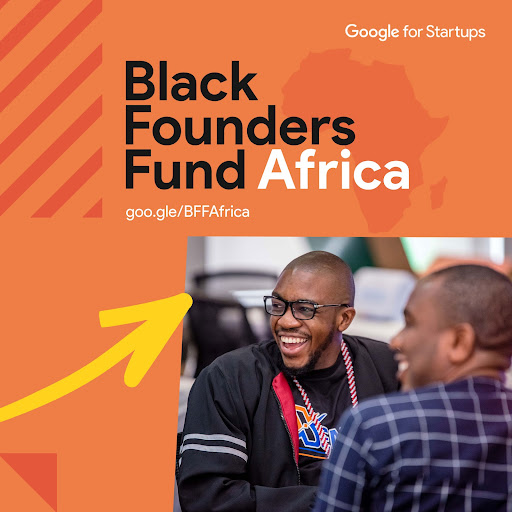
Google has announced that 60 new startups would join their Black Founders Fund, specifically designed to help support Black founders in Africa. Since launching the program in 2021, Google has invested in 50 startups from nine African countries, creating over 500 jobs and raising over $87 million to help support underrepresented founders. The Black Founders Fund has invested $20 million in funding to help founders across the US, Europe, Africa, and Brazil. The latest cohort will receive up to $100,000 in capital, including access to the best of Google, people, products,
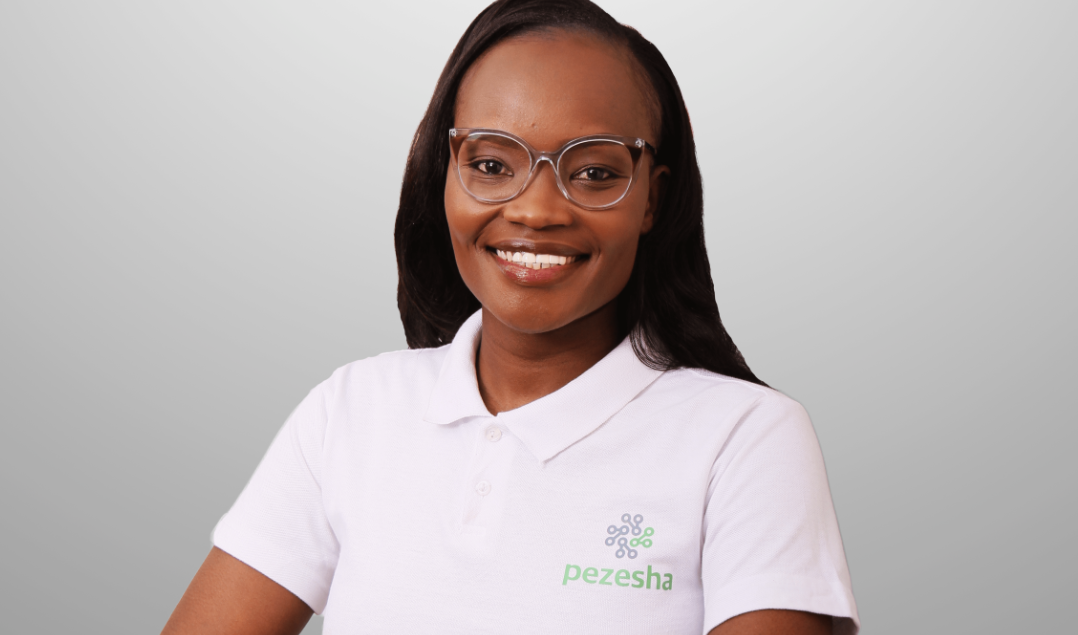
Founded in 2017 by Hilda Moraa, Pezesha is a Kenyan digital lending infrastructure that allows both traditional and non-traditional financial institutions to offer working capital to micro-, small and medium-sized enterprises (MSMEs). Now, the startup has secured an $11 million pre-Series A equity-debt round led by Women’s World Banking Capital Partners II with participation from Verdant Frontiers Fintech Fund, cFund and Cardano blockchain builder Input Output Global (IOG). The round also included a $5 million debt from Talanton and Verdant Capital Specialist Funds. Access to finance remains a key growth constraint
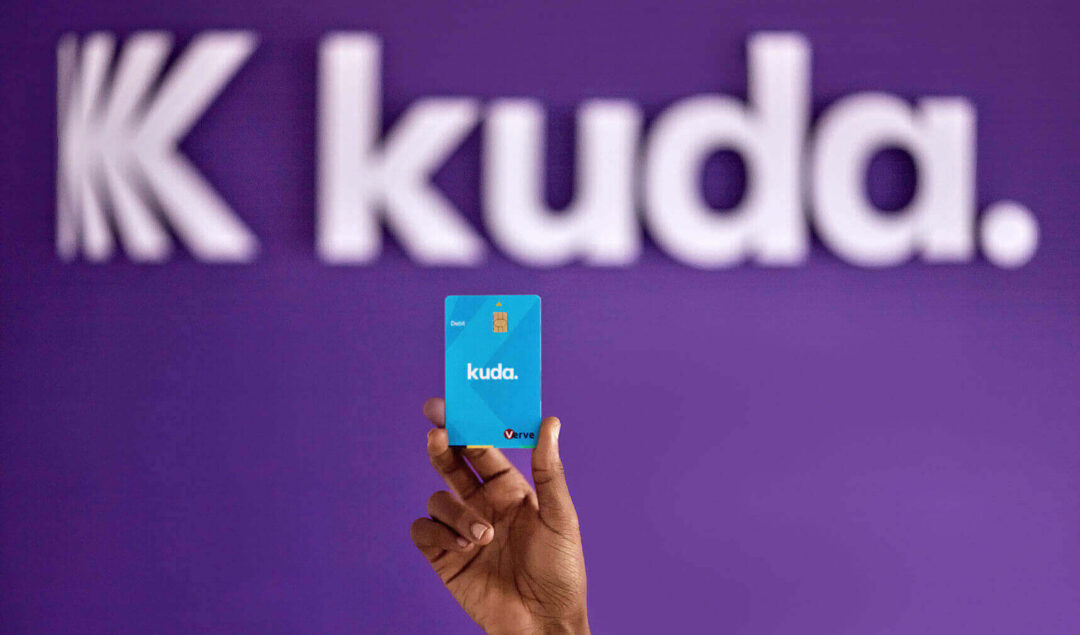
Kuda, a digital bank based in Nigeria and the U.K., has confirmed via email to media that it has laid off less than 5% of its 450-strong workforce, equivalent to about 23 people. There have been other startups, especially those that have raised vast sums of venture capital within the last year or two, that have laid off hundreds of staff; for instance, Swvl laid off 400 people; Wave, approximately 300; 54gene, 95; and Vezeeta, 50. The layoffs come a year after Kuda, which provides zero to minimal fees on cards, account maintenance and transfers,


