
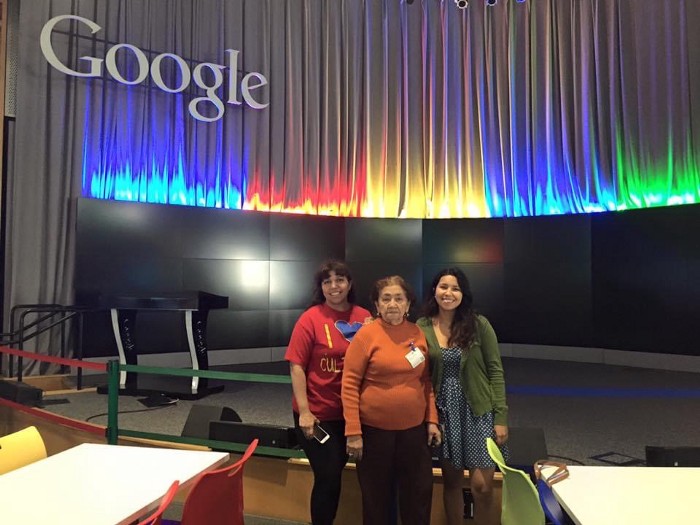
Today marks four years since I joined Google full-time otherwise known as my “Googleversary.” I keep waiting for some sort of graduation announcement or ceremony that would indicate the end of an era and the start of a new chapter, but I suppose that’s not exactly the same, after college. Today, I contemplated finally answering the million-dollar question I get too often “so, what do you do at Google?” But instead, I’ve decided to take some time today to reflect and simply celebrate some of my favorite moments over the
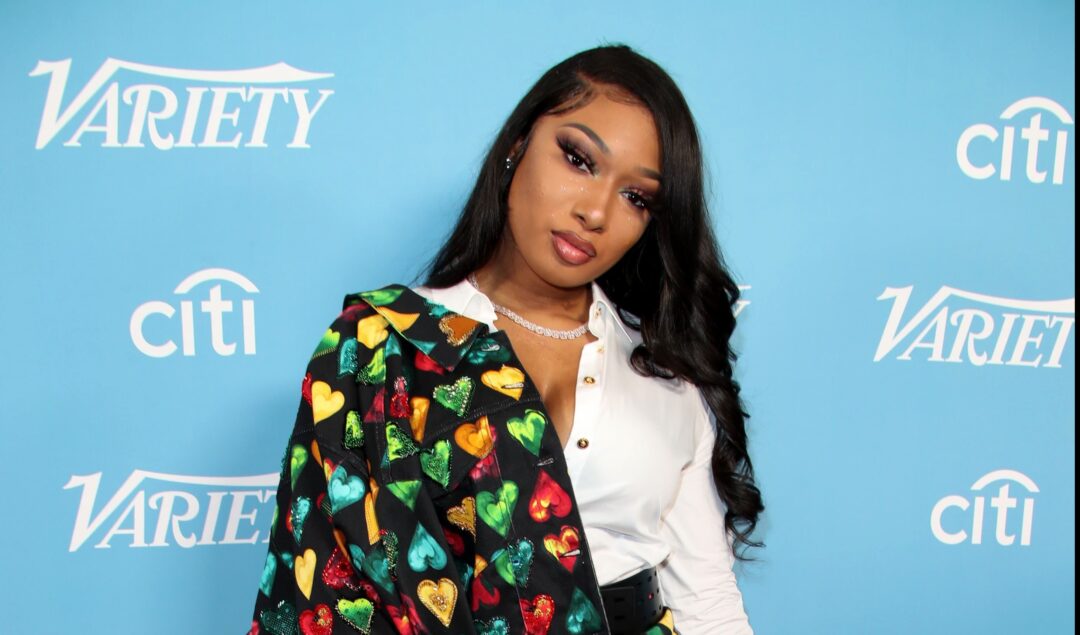
Subscribe To The Techish Podcast On Apple Podcasts, Spotify, And Other Platforms. In this episode of Techish Abadesi and Michael discuss: Congress vs Big Tech (08:05)Megan Thee Stallion and Social Media (27:27)Slack vs Microsoft (12:10)Black Emmy Nominations (11:00)Who is Rich? (31:34) Extras: Techish on Patreon: Advertise with Techish: Please rate and review the Techish podcast
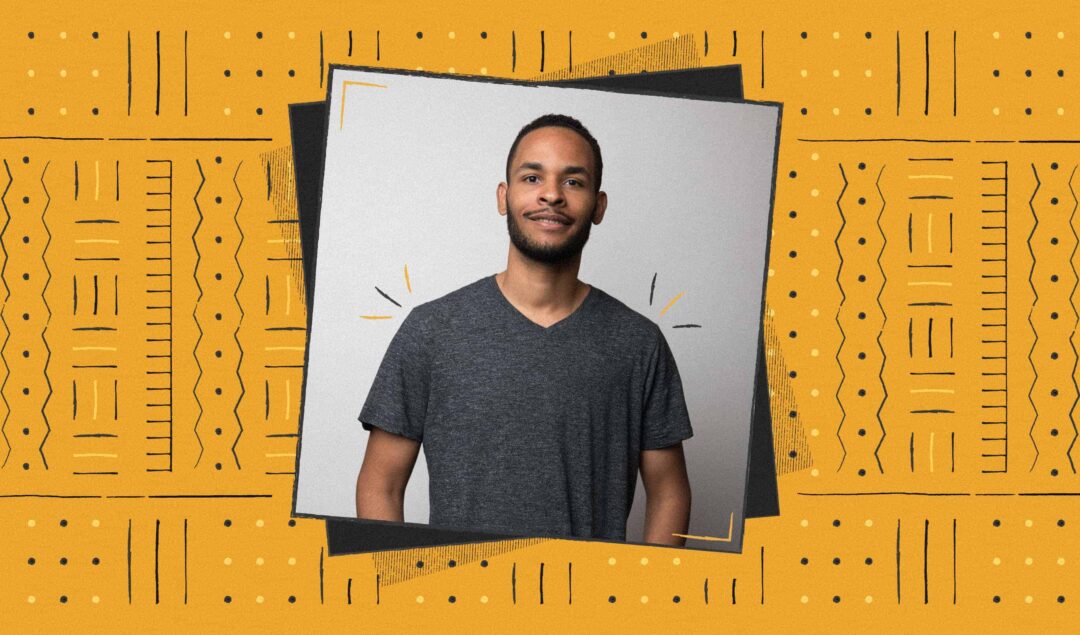
This post was initially published by Abstract! It highlights the career achievements and thoughts of Senior Front End Engineer Andrew McCloud. What personal passions bring you to Abstract? Design communities! I’ve been installing/building software for managing communities of designers since I was in high school. Shoutout phpBB, celerondude, Pixel2Life! In 2010, I attempted to create something similar to Abstract called Pixelcloud, inspired by Facebook’s internal design collaboration tool. What’s one childhood lesson that you still carry with you to this day? I can usually avoid the pain of finding out something on my
Put your money in funds that invest in Black-owned startups Unrest in the streets has made its way to Wall Street. JPMorgan CEO Jamie Dimon was photographed kneeling in solidarity with protestors; Morgan Stanley promoted two Black women to high-profile roles; and Citi, Bank of America and Goldman Sachs published inspiring anti-racist messages and pledges. Many financial firms announced donations to the NAACP or similar organizations. These are all commendable efforts, but they won’t address the root causes of structural racism in finance. In fact, in the absence of deeper solutions,

Subscribe to the Techish Podcast on Apple Podcasts, Spotify, And Other Platforms. This episode of Techish is a career special: Abadesi and Michael discuss: Should I have a side hustle? I want to become a product designer but do I need to know how to code? My boss is bothering me now that we are remote! Extras: Techish on Patreon: Advertise with Techish: Please rate and review the Techish podcast
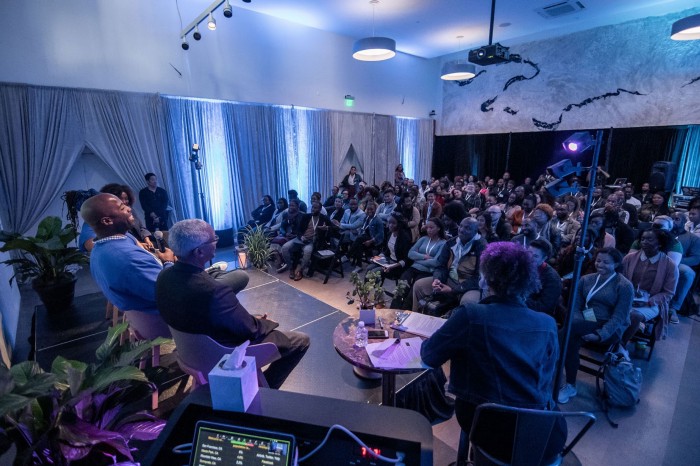
I was one of the first Black investors to be promoted to Partner at a venture capital firm. At the time (2015), I was also one of the youngest, having just turned 31 years old. I have been in the venture industry since 2011, beginning as an intern in Kapor Capital’s inaugural Summer Associates program. I have never seen a wave of pro-Black commentary and actions like the one we are all witnessing today. Over the past few weeks, more people than ever before have aligned themselves to the #BlackLivesMatter
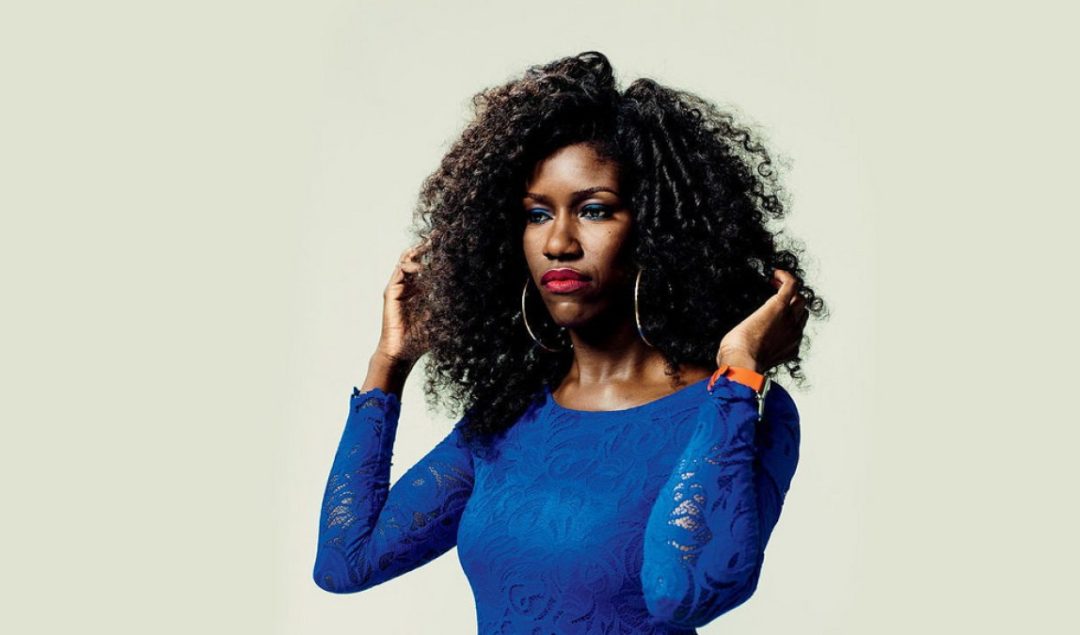
Subscribe to the Techish Podcast on Apple Podcasts, Spotify, And Other Platforms. In this episode of this Techish, Abadesi and Michael discuss the hiring of Bozoma St John by Netflix. Why it matters, and how it represents a recognization of the truth about the value of Black American culture in driving global culture. They also break down: Kanye for President [00:26] Tech vs Tech Media [11:00] Bozoma St John new Netflix CMO / Black-owned banks [06:47] Does any level of success make you happy? Extras: Techish on Patreon: Advertise with Techish: Please rate and review the Techish podcast
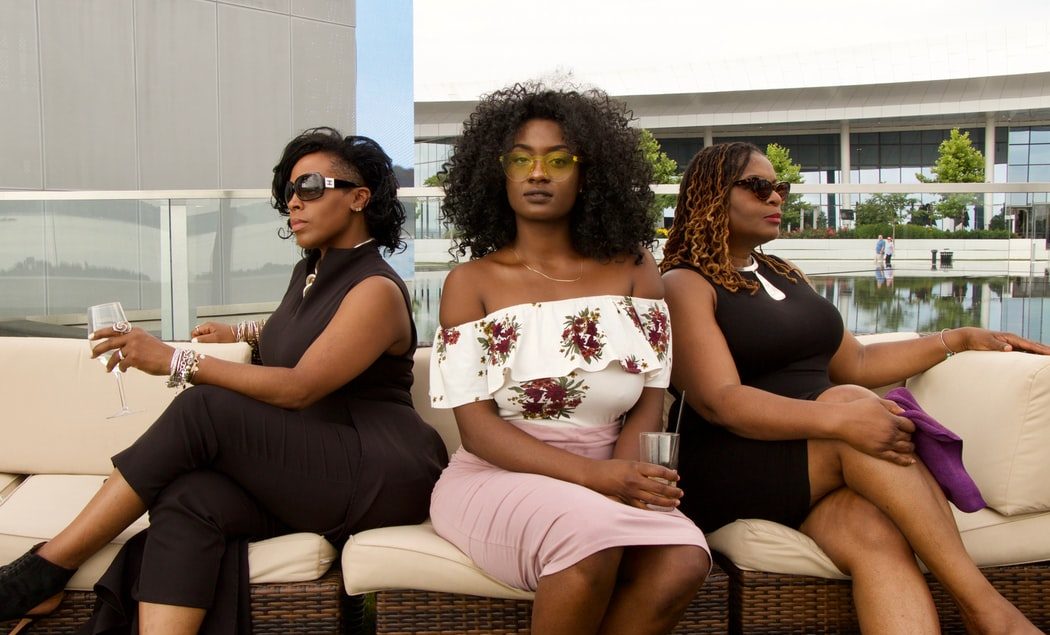
This article is a thought piece on the political nature of Black women’s hair in the corporate workplace, and how the progressive tech industry is far from exempt. Written by self developer Mabel, follow her journey on her IG! Here’s a picture of me with braids from last year. The truth is, a lot of thought went into me getting them. “You should never wear braids to an interview; no one will take you seriously!” – My friend was right; society has taught us that to be deemed professional, we

Subscribe to the Techish Podcast on Apple Podcasts, Spotify, And Other Platforms. In this episode of this Techish, Abadesi and Michael discuss who should be leading D&I roles or be in charge of companies where inclusion/community is the focus? They also break down: Yeezy joins Gap, Facebook boycott [29:54] The unpaid labor of the Female CEO [6:00] Beyonce the Hotep? [27:55] Issues with management at OkayAfrica [21:56] Extras: Techish on Patreon: Advertise with Techish: Please rate and review the Techish podcast
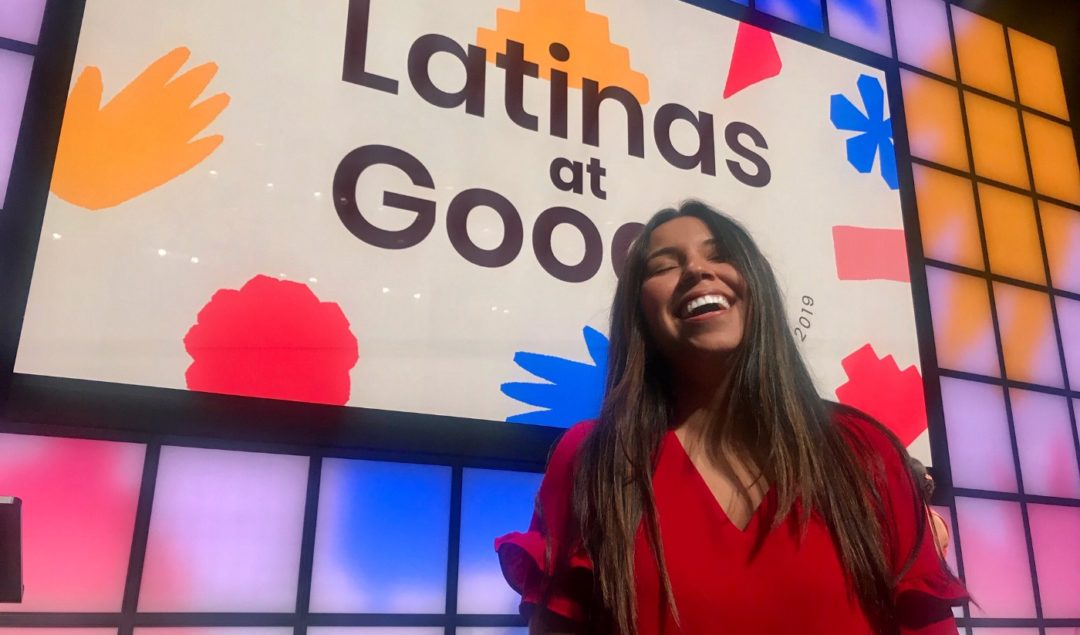
Today was a not so good day at work. I’ve had better days. The issue itself isn’t even regarding my day-to-day work with clients or my immediate team. The issue is regarding how one of the largest technology companies in the world fails to understand and account for my personal living situation, during COVID-19. But that’s a whole different story, for another time. Regardless, it’s moments like this that remind me why it’s so important — more now than ever — to share our stories and our experiences with the


