
Fashion Brand Hanifa Pauses Production After Online Backlash
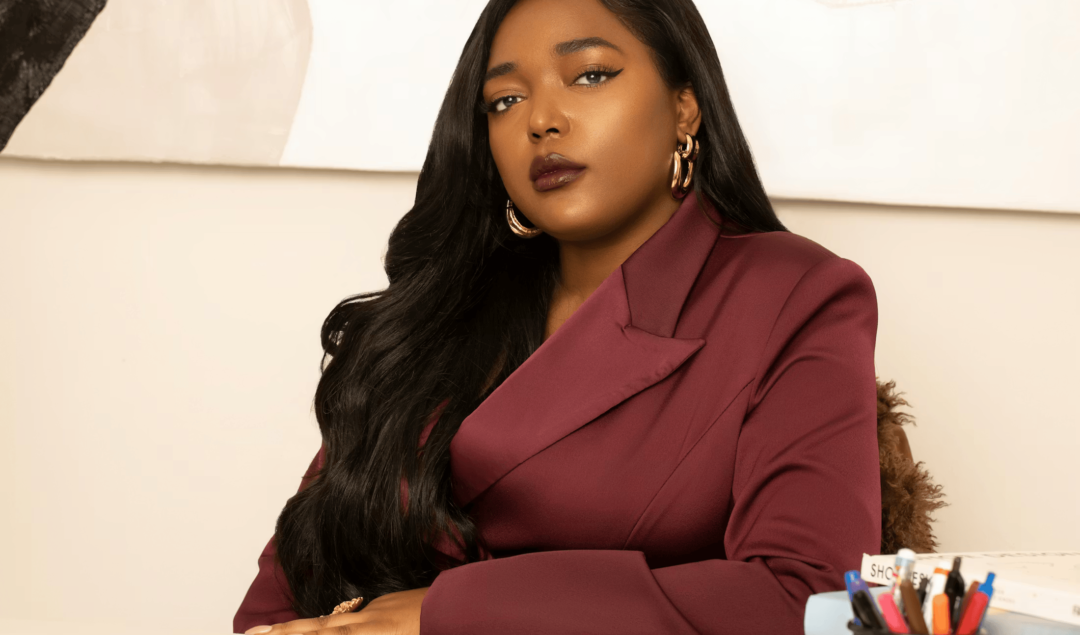
Anifa Mvuemba, founder of the fashion brand Hanifa, has announced that the brand will pause production. “I don’t want to rush just to prove resilience. I don’t want to pretend everything is fine just to keep momentum,” Mvuemba said in an interview with The Cut.
“Right now, I’m reflecting. I’m protecting what matters to me in this season. And I’m allowing myself to be human in the process. I don’t know exactly what the future of Hanifa looks like at this very moment. And for the first time in 14 years, I’m okay with saying that out loud.”
The brand launched in 2011 and gained online popularity in 2020 when Mvuemba used 3D ghost models to walk a virtual runway in her clothes. In 2021, the brand had its first physical fashion show at the National Portrait Gallery in Washington, D.C.
Hanifa facing online backlash
In November 2025, the brand announced its annual Black Friday sale, with products reduced by up to 45%. Several items could only be ordered through preorders, meaning longer shipping times. However, Mvuemba shared that production delays by her manufacturers extended shipping times. While some customers received their items on time, others waited months for their orders.
Users took to social media to share their frustrations. “I really do not like bashing or speaking negatively on black-owned brands, especially the ones that I support deeply, but this is really unacceptable,” one customer said. Mvuemba apologized to customers on social media. Still, for many, the apology felt too little, too late.
Black female businesses struggling
Hanifa’s pause follows other Black female entrepreneurs who have left or shut their businesses. Last year, Ami Colé, a Black-owned beauty line founded by Diarrha N’Diaye-Mbaye, shut down in September.
Whilst Ami Colé developed a loyal audience, N’Diaye-Mbaye explained that part of the company’s downfall was its inability to compete with more prominent companies with greater financial backing. “I couldn’t compete with the deep pockets of corporate brands; at retail stores, prime shelf space comes at a price, and we couldn’t afford it.”
British Ghanaian founder Ama Amo-Agyei left her company, Plantmade, a UK plant-based hair and skincare brand, in 2025. Plantmade went into administration in June 2025 with about £1.8 million in debt, including obligations to banks, HM Revenue & Customs, and private creditors, according to filings cited by The Times.
“Founder-led brands operate under a different kind of scrutiny. And when you’re a Black woman, the margin for grace is thinner. That reality is exhausting,” Mvuemba said. Black founders are not above critique, but it’s becoming harder for Black female founders to exist in a world that wasn’t built for them.
Images: Dominik Jenkins


