

Nigerian startup Stears has announced a $3.3 million seed round led by MaC Venture Capital which included Serena Ventures. What started as a written media publication by a group of Nigerian graduates is now a growing data insights company with its sights set on rivalling the likes of Bloomberg. Backed by Serena Ventures Serena Williams was playing in the US Open when the seed round for Stears came together. Nevertheless, according to Serena Ventures’ founding general partner, they were keen to invest and fought “tooth and nail” to get in.

The Congressional Black Caucus Institute (CBCI) is launching a new AI tech platform that matches public policy corporations with CBCI-vetted job seekers. Founded in 2000, the CBCI is a nonprofit social welfare organization that aims to educate and empower the African American community around issues that impact it the most. The CBCI’s latest initiative, the Career Placement Initiative (CPI), aims to diversify hiring in the public policy space. The Career Placement Initiative So how does it work? Employers bulk upload communications, legal, public policy, and government relations job openings to the platform. The
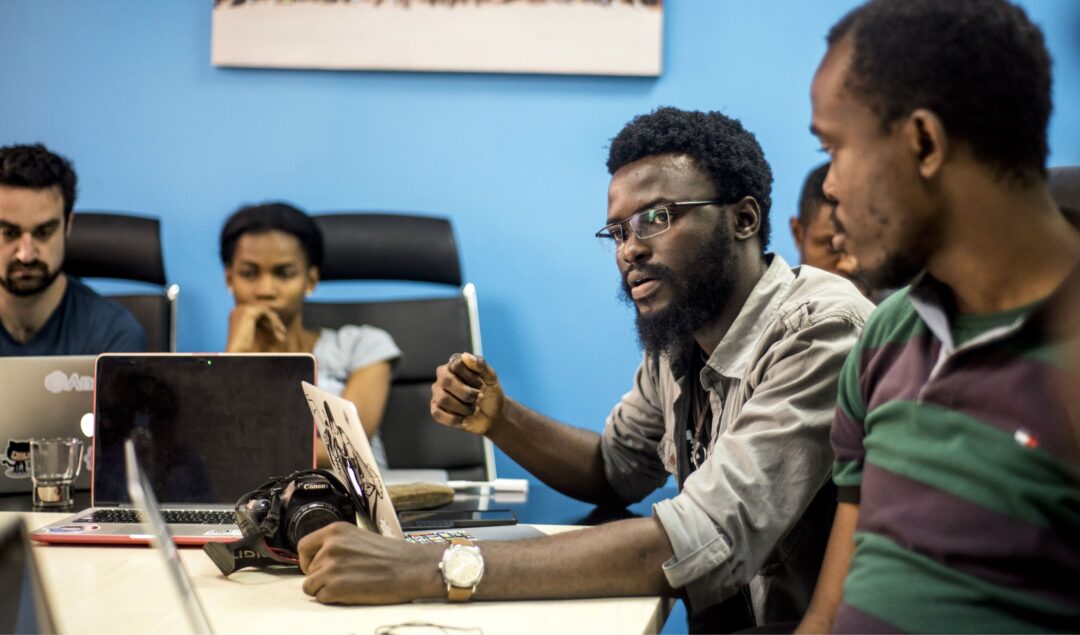
Funding for African startups has hit a new record between January and June. According to reports, the African market is the first to see more than a single digit of growth which was extremely unpredictable considering the slowdown globally. Venture capital deals within the African region reached a striking $3.5 billion in six months, with no other continent coming marginally as close to Africa’s startup funding growth. Of the 300 companies that benefitted from this funding, 27% were led by female founders or had at least one female founder. This is

Black couple DeMario and Dawn Nicole McIlawin are the creators behind Skilldora. This Black-owned edtech startup is one of the first e-learning platforms to embrace “digitally created humans,” also known as AI instructors. Skilldora has partnered with Israel-based company, D-ID, to accelerate academic learning for the next generation. According to Yahoo Finance, edtech startups have helped boost the educational sector. Online education is now one of the most effective and fastest ways for modern learners to learn seamlessly. Skilldora is on a mission to revolutionize the education system by becoming

IBM has announced the launch of Cybersecurity Leadership Centers across six HBCUs. The move aims to give students and faculty access to IBM training, software, and certifications at no extra cost. Underrepresented students and professors can receive help with coursework, lectures, immersive training experiences, and knowledgeable skills they can always take with them as they grow. According to IBM, the program will be available at 20 HBCUs across 11 states to help co-create Cybersecurity Leadership Centers and create talent opportunities for employers and students combined. “Collaborations between academia and the private
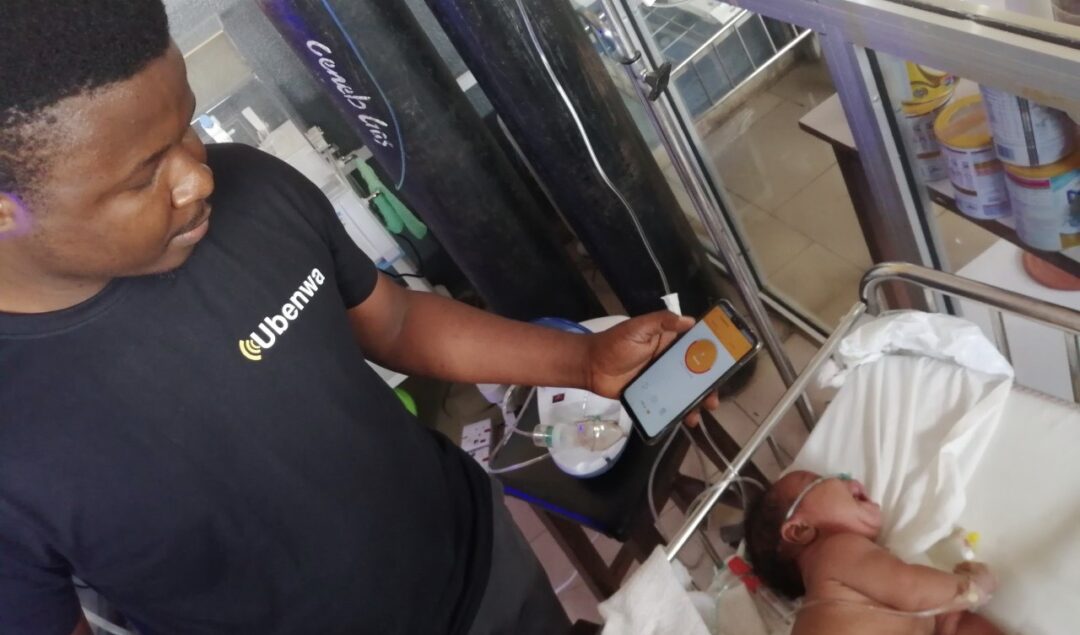
Black-owned health startup Ubenwa uses artificial intelligence to detect early diseases in babies and their cries. The startup’s learning system analyzes the amplitude of a baby’s cry and uses cutting-edge AI to diagnose infants up to six months old. By analyzing the frequency patterns of a baby’s cry, the AI-powered software picks up on brain and lung conditions in young infants. Communicating with babies Ubenwa was co-founded in 2017 by Charles Onu, Samantha Latremouille, and Innocent Udeogu. The startup combines AI techniques with medical expertise to detect breathing conditions and

Byld Ventures, a $15 million fund launched this May, has eyes for startups mainly across Egypt and Nigeria due to the partners’ experiences in those markets. Byld Ventures reached its first close almost in June and a second close at $10 million last month. It expects to achieve its final close by year’s end, according to TechCrunch. Over a dozen athletes have backed the fund as well as the Dubai government and several unnamed institutional LPs. The early-stage fund — which has made four investments: Ceviant, Apata, Thepeer and Anchor — consists of four

91-year-old James Earl Jones has officially retired his voice as the iconic Darth Vader from Star Wars and handed it over to artificial intelligence. Jones, who has voiced the villain Darth Vader since 1977, has officially signed over archived recordings of his voice to Ukraine-based startup, Respeecher, who will be working to recreate the actor’s voice using artificial intelligence. In an interview with Vanity Fair, supervising editor Matthew Wood said the actor “was looking into winding down this particular character” after playing the role for nearly 50 years. The Ukrainian startup
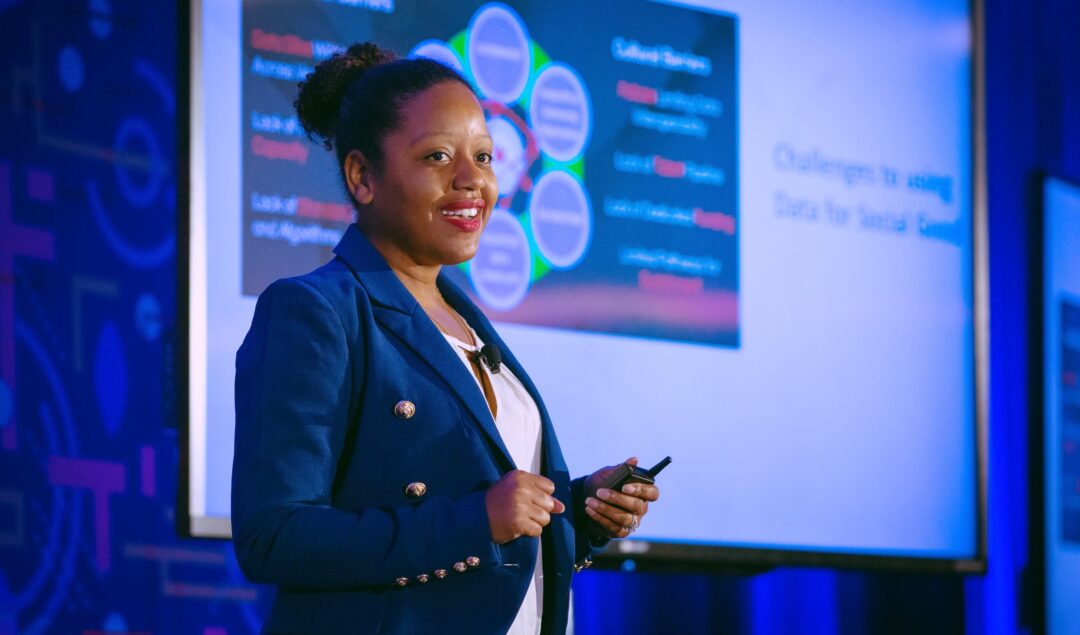
National Security Agency (NSA) veteran Natalie Evans Harris has been announced as the Executive Director of Bloomberg Philanthropies’ new Black Wealth Data Center (BWDC). The BWDC, funded by Bloomberg Philanthropies’ Greenwood Initiative, works to increase generational wealth and address the systemic underinvestment within Black communities. As the Executive Director of the BWDC, Harris will lead a team tasked with harnessing data to support the creation of programs, policies, and strategies to measurably increase Black wealth. A wealth of experience Harris brings nearly 20 years of experience advancing the public sector’s strategic use of
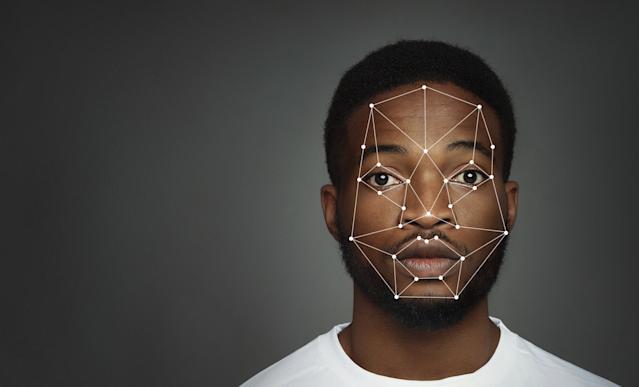
Despite the controversy surrounding its facial recognition software, Clearview A.I. has found a new home amongst public defenders. The move, described as a “P.R. stunt to try to push back against the negative publicity,” has begun allowing public defenders to access its facial recognition database, which holds more than 20 billion facial images. The controversy explained Earlier this year, the controversial facial recognition program found itself amid legal drama after being fined more than £7.5 million by the U.K.’s privacy watchdog. The fine came after a few senators called on federal agencies


