
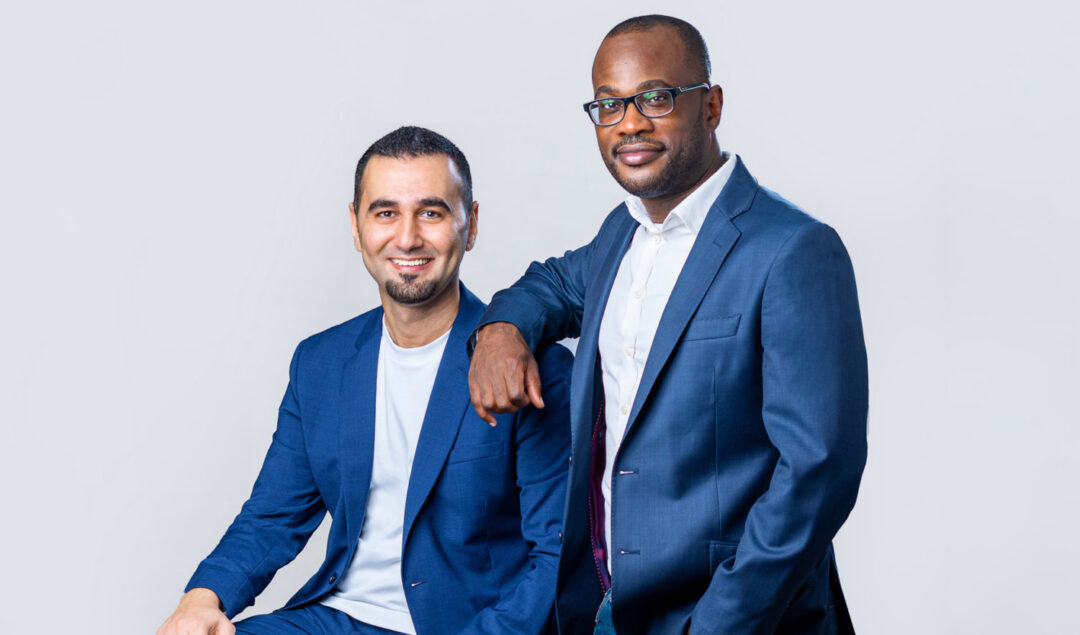
DrugStoc, described as Nigeria’s leading health tech platform, is focused on improving access to quality and affordable pharmaceuticals for healthcare providers and professionals on the continent. Africa’s pharmaceutical market is primarily known for its broken supply chain and chaotic distribution channels, which affect the delivery of quality medicines, affordability of pharmaceuticals, and efficient healthcare delivery for health workers. Each year, at least 150,000 Africans die from substandard and counterfeit medications and an even more significant number due to lack of access to affordable medicines. Launched in 2017, DrugStoc currently has
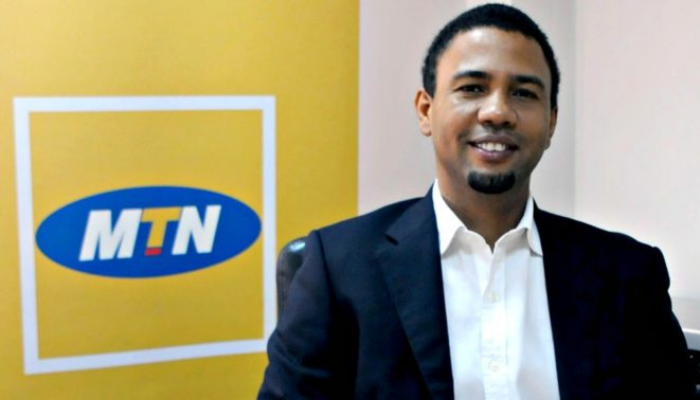
Karl Olutokun Toriola, a telecommunications engineer who is currently serving as the Chief Executive Officer of MTN Nigeria, announced that in an effort to aid the citizens of Ukraine, MTN Nigeria has announced that they have made all the calls to and from Ukraine free. MTN Group Limited, formerly M-Cell, is a South African multinational mobile telecommunications company, operating in many African and Asian countries. Its head office is in Johannesburg. “We understand that some of our customers in Ukraine have experienced challenges to contact their loved ones. As a result, we

Microsoft announced plans today to support 10,000 startups in Africa over the next five years through a series of initiatives including partnerships with accelerators and incubators across the continent. The global tech company is also partnering with venture capital investors to facilitate access to $500 million in potential funding and has launched the Startups Founders Hub in Africa. Microsoft will enable digital transformation powered by Africans for Africa through the Africa Transformation Office. Microsoft said that it is already working with Banque Misr, Global Venture Capital, and Get Funded Capital. On top of that,

Sudo Africa, an API platform that enables you instantly issue physical and virtual cards with more control and flexibility at scale, has raised $3.7 million in pre-seed funding. What makes the startup different from others? While banks take weeks or months to give cards, Sudo Africa claims to just take days. In partnership with licensed card issuers, the company’s infrastructure allows itself and any developer or merchants that come on its platform to issue virtual and physical cards to their customers. And on the platform lets businesses control and program cards to
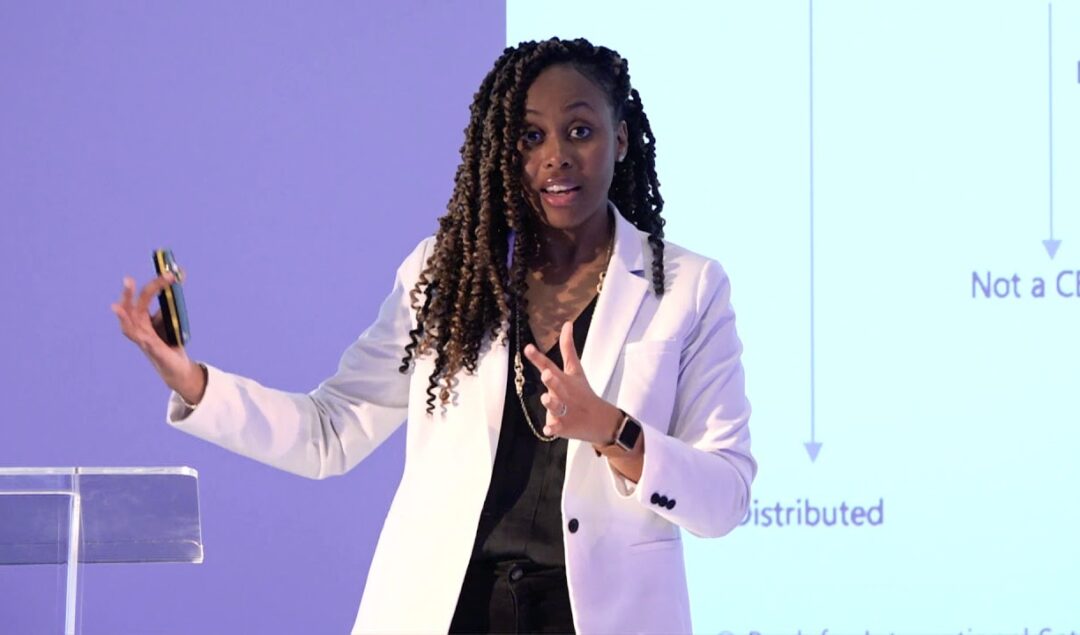
Emtech, a Black female owned central bank digital infrastructure provider, targets emerging markets where payments infrastructure need aligning with digital innovations — to improve efficiency, introduce new products and services that are likely to promote financial inclusion, and in ensuring the secure movement of money.
Thousands of Africans studying engineering and other subjects in Ukraine are desperate to leave as Russia invades the country. Many of them are using social media platforms such as Instagram and Twitter to keep people updated on their struggles to return back home. One Nigerian Twitter user said she and other students from the West African country were stopped by Polish border guards when attempting to flee. In her video, viewed over a million times, a crowd can be seen pleading with guards, who are standing with leveled weapons. Some,

The announcement of the collaboration between the 10 studios was made today against the backdrop of the Africa Games Week 2022, which is taking place in Cape Town, South Africa. The clan, which have named themselves Pan Africa Gaming Group, or PAGG, said they aim to grow the industry by two times annually and to put Africa “on the map of the global game industry.” South Africa has the highest saturation of gamers across Africa with 24 million people – this is almost half of its population – playing, according
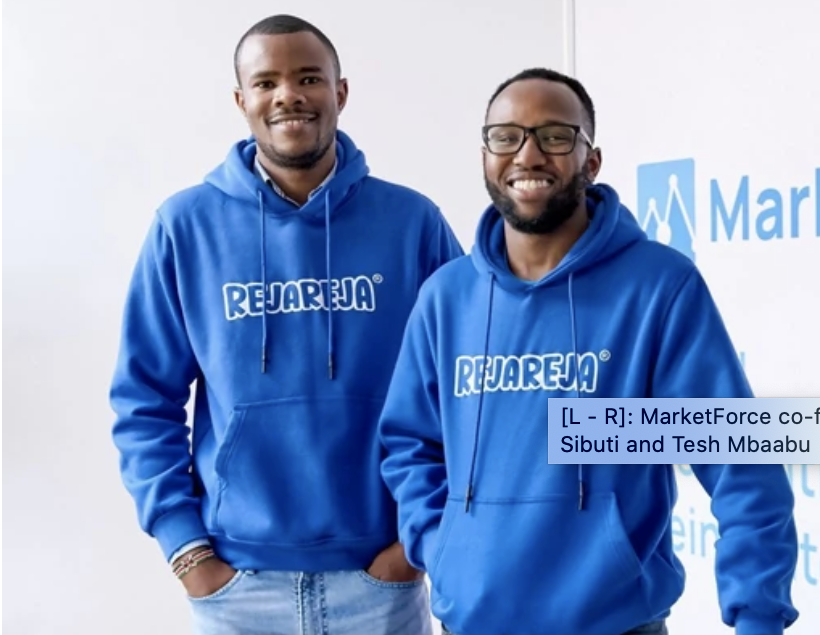
MarketForce, the retail B2B and end-to-end distribution platform founded in Kenya, has raised $40 million in Series A funding for its merchant inventory financing and expansion across Africa. The firm, which first launched in Uganda in 2018, plans to introduce buy-now-pay-later (BNPL) options to help merchants access fast-moving consumer goods (FMCGs) on credit. It also plans to enter additional markets in East and West Africa. Through its merchant super app RejaReja, informal traders can source goods directly from manufacturers and distributors, make and pay for orders digitally, accept payments for utility
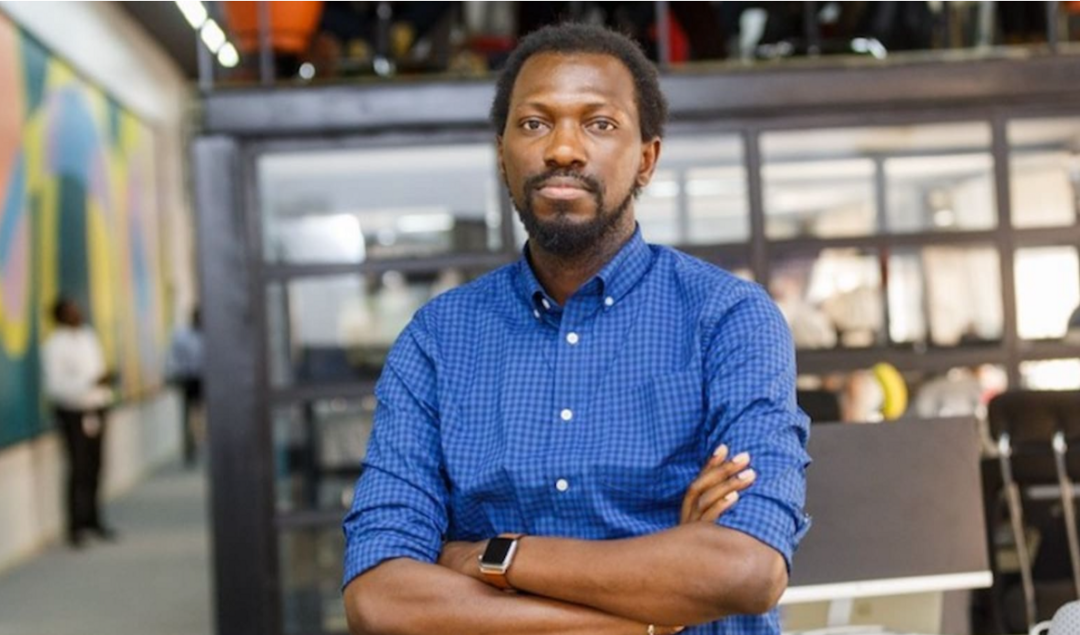
African fintech Flutterwave has raised $250 million in a Series D round that tripled the company’s valuation to over $3 billion in justtwelve months.
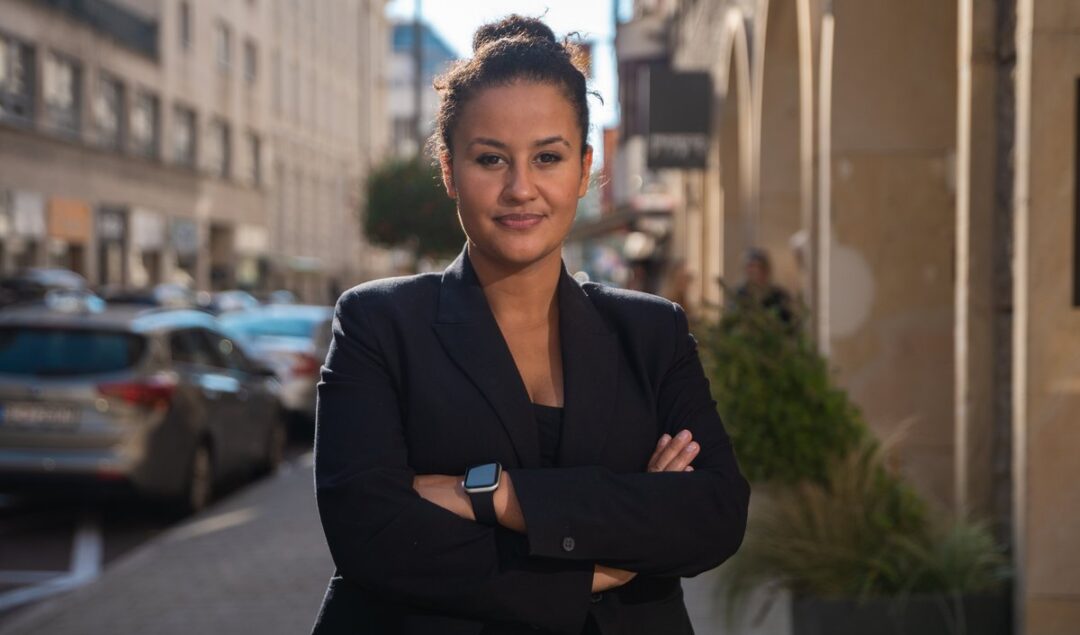
Karin Fuentesová started off her career in the accounting sector, where she worked for 13 years. While working there, she observed how much time is wasted by people doing mundane tasks, such as manual data entry of invoices into accounting systems. After taking notes, Fuentesová launched Digitoo, which automates manual bookkeeping processes. Founded in 2019, the founder struggled to find investors but in 2021, it raised €900k in seed funding from Czech investors Kaya VC and Nation 1. For Fuentesová this was a huge success because only 46% of founders raise more than


