
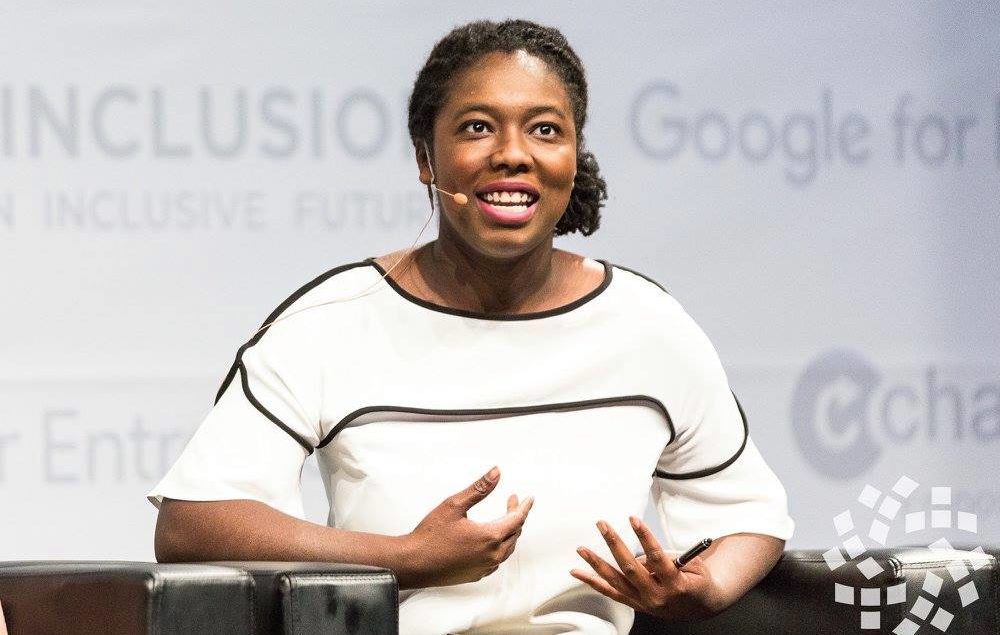
Near the end of the summer, interns around the globe may find themselves thinking, “I haven’t really used my internship like I want to.” Or, “How do I add some extra polish to the end of this experience?” Especially because of the ongoing pandemic, interns can and should tackle the end of their internships with confidence and visible appreciation for the community that has hosted them. With the intention to start planning the next steps after the internship. Note: The following tips are for if the internship goes well and

Subscribe to the Techish Podcast on Apple Podcasts, Spotify, And Other Platforms. Episode Content: In this episode of this Techish, Abadesi and Michael discuss: 💰 Jeff Bezos the trillionaire?💭 Google scaling back diversity efforts? [9:32]👩🏾💻 Remote work for all? [30:08]🎤 Deep faking Jay Z [17:29] Extras: Techish on Patreon: Advertise with Techish: Please rate and review the Techish podcast

“Diversity increases revenue, improves productivity, sparks creativity, and boosts innovation.” In my line of work, the business case for diversity is practically a mantra. As Diversity & Inclusion has gained mainstream acceptance, so too has this “business case” emerged as the centerpiece of many modern organizations’ D&I efforts. It figures prominently in keynote talks, diversity panels, and internal presentations alike. And when corporate leaders talk about D&I, the business case for diversity is always one of their talking points. This is, unfortunately, a big problem. Under its flashy exterior, “business
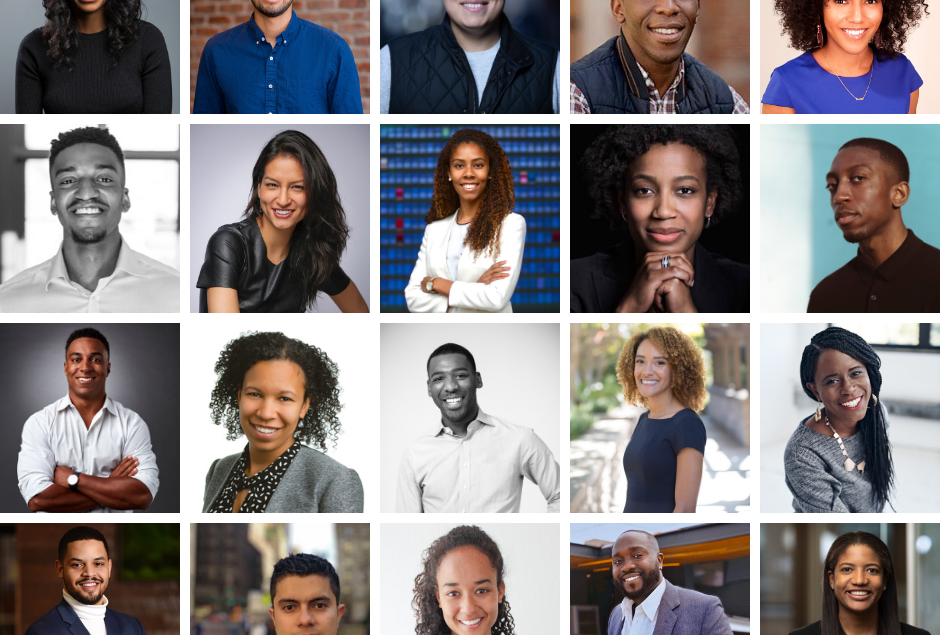
A lot has changed in the venture capital industry in just the last year. MaC Ventures and the Kauffman Foundation released a publication illuminating positive financial returns in companies with diverse perceived ethnicity, the total number of funds hit an all-star high with a median annual fund size of $90M, and funds targeting diverse entrepreneurs — such as Harlem Capital and Olamina Fund — closed $40M+ raises. Harlem Capital Partners recently released a report analyzing 200 Black and Latino founders who raised $1M+ in VC funding, while e-sports pioneer — Delane Parnell (PlayVS)- made headlines for a $50M Series

I’m a queer Black woman software engineer: I am the perfect cocktail of diversity for so many recruiters. I bring unique perspectives to the table, and the intersection of my identities means I’m often asking questions other folks haven’t yet considered. I also wear these identities proudly: nowadays, you’ll never mistake me as anything other than a queer Black woman in any space I occupy. But there’s a terrible irony of being the perfect diverse hire when I am also among the most palatable of diverse hires. Diversity hiring is
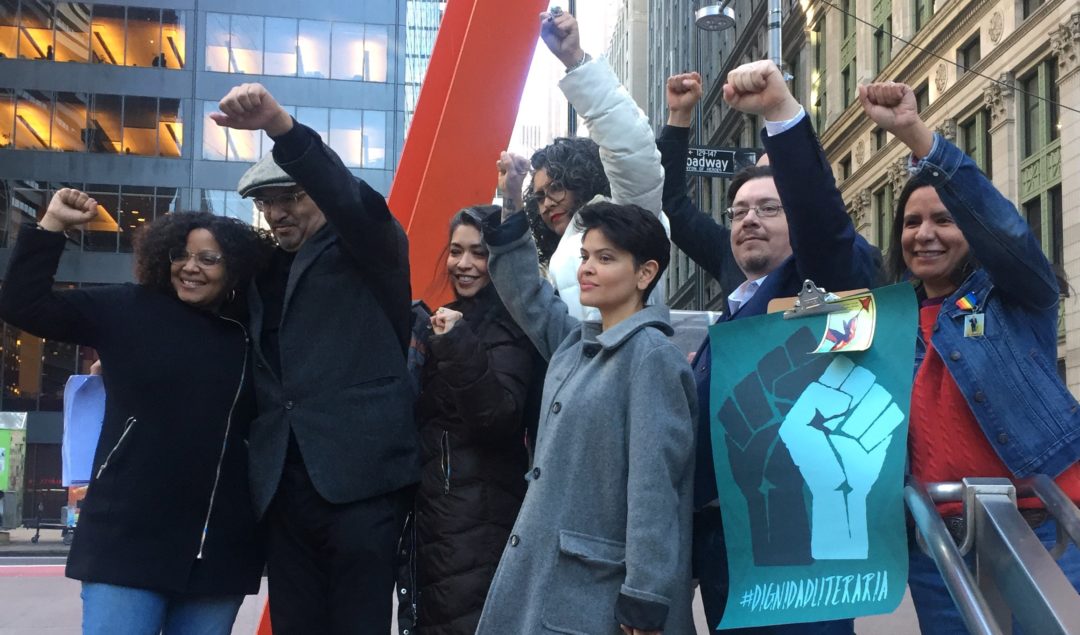
The summer of 2017, Luis Fonsi and Daddy Yankee’s “Despacito” remix featuring Justin Bieber had become the top song in the country. While it was already a hit pre-Bieber, Justin’s auto-tuned Spanglish brought the song into the consciousness of many Americans, qualifying a predominantly Spanish-language song as “mainstream,” i.e. not only digestible but desirable to the wider American public. No small feat. I was at a popular lounge in New York City when a DJ played the record. A woman sitting at the neighboring banquette, partying with her daughter and friends, reached

A recent National Center for Women & Information Technology “By the Numbers” report puts Black women in computing in 2018 at 3% — and this statistic does not make a distinction between technical and nontechnical women in computing. Of the overall U.S. population, roughly 4.5% identify as LGBT. Since it’s incredibly hard to find industry-wide statistics on LGBT folks in tech, let’s take an extremely optimistic view and assume 4.5% of people in computing are LGBT. Combining these two percentages tells us that .00135% of the computing workforce identifies as Black, queer, and
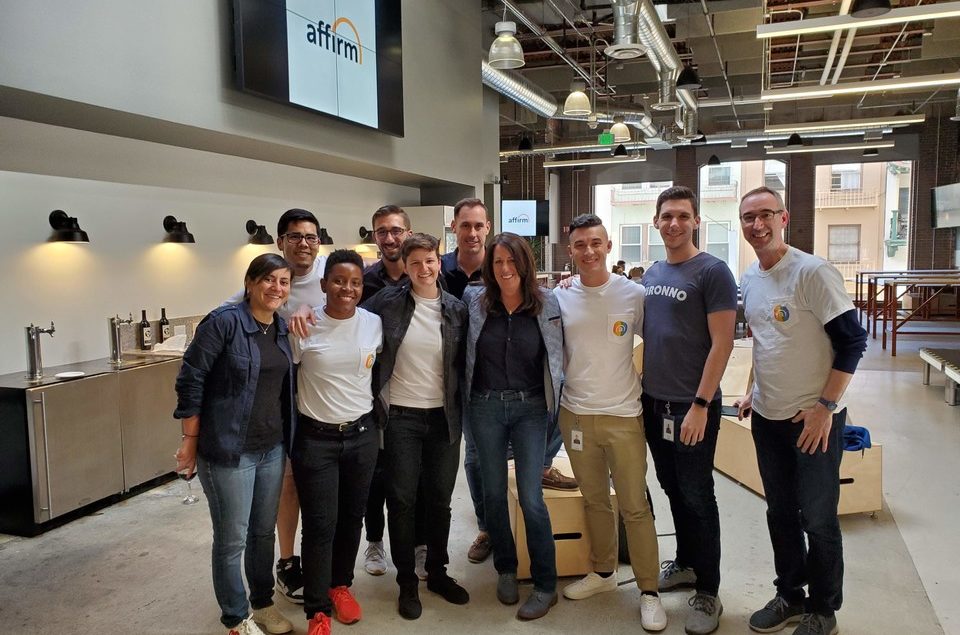
I came to Affirm from a fairly unusual background. I’d never worked in tech or recruiting and prior to Affirm, I helped run a private optometry practice in Downtown San Francisco. Now I’m a Technical Sourcer on Affirm’s Talent team and co-lead our LGBTQ+ Employee Resource Group (ERG). My career trajectory is untraditional but that’s always been me – I’ve always been a bit different. A little about my past I was born and raised in Kingston, Jamaica until I was 10. Since then I’ve spent a majority of my

Last week, Black Enterprise magazine published an interview with COO of Facebook and CEO of Lean In Sheryl Sandberg. It was rooted in the fact that Sandberg’s Lean In advice has fallen flat for most women, and more specifically for Black women. The strategy has been criticized by many thought leaders, including Michelle Obama who notably said, “that shit doesn’t work all the time.” And this quote from Mindy Harts, founder of The Memo sums up the basis of the criticism through a racialized lens: “Lean In was well-intentioned and
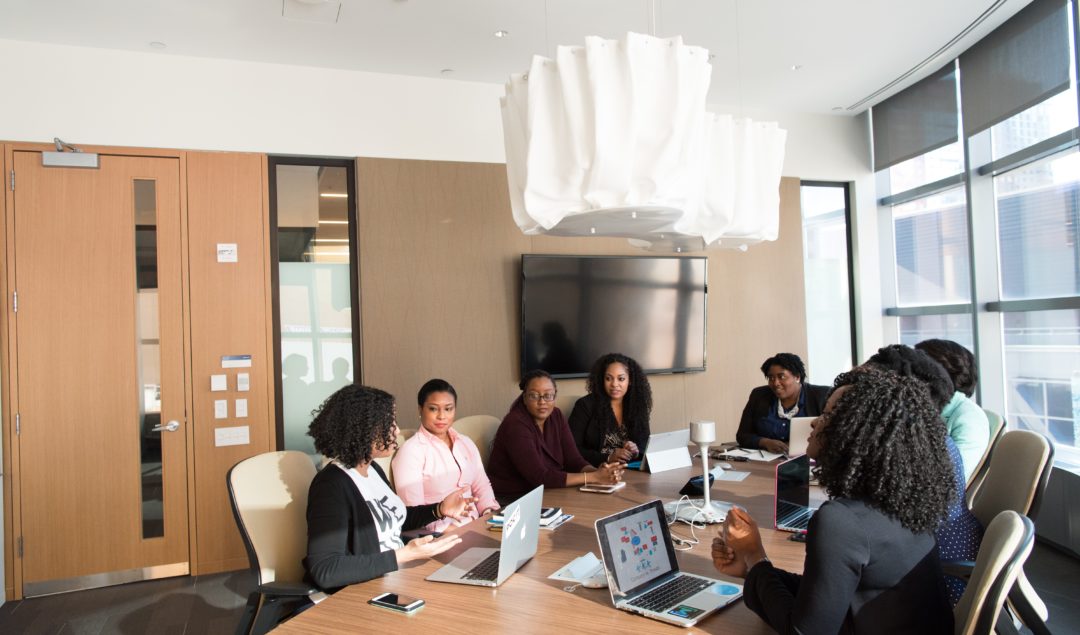
Whether you call it a discussion or a debate, there’s a long-standing conversation in business around culture. This debate is about when the right time is to invest in people and culture. Some camps feel the urgency to achieve product-market fit and prove themselves as a business before they start thinking about building an intentional culture (meaning, more than perks and ping-pong tables). Others believe that purpose drives performance and that teams that feel connected to the company’s culture — its mission, purpose, and impact — are more invested in seeing the


