Stripe-Owned Paystack Launches New Parent Company After Reaching Group Profitability
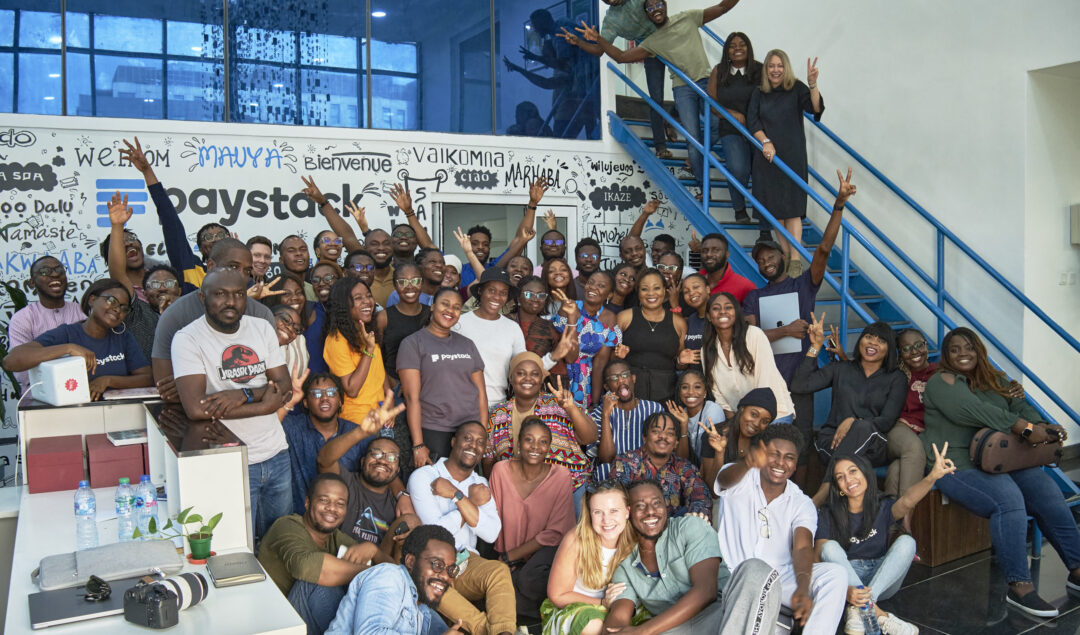
Paystack, the Nigerian fintech owned by Stripe, reorganized its businesses under a new holding company, The Stack Group, in Nigeria this week after reaching group profitability.
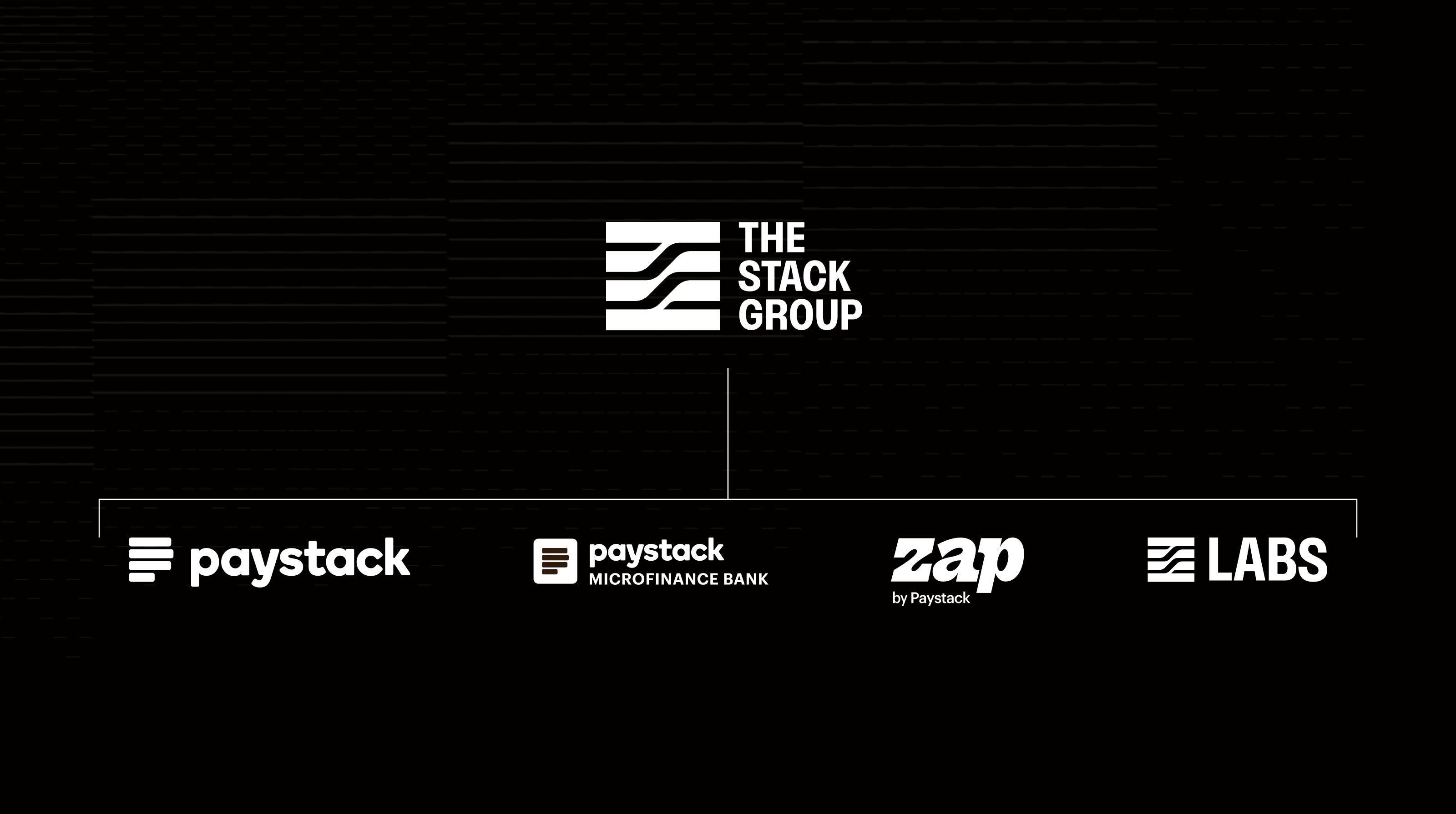
The new structure places four businesses under TSG: Paystack’s core merchant payments business, the consumer payments app Zap, Paystack Microfinance Bank, and a venture studio known as TSG Labs. The shift reflects a strategic move to manage risk, regulation, and ownership across distinct financial products.
A Holding Company Model to Contain Risk and Regulation
By adopting a holding company structure, Paystack has separated payments, banking, and consumer finance into distinct subsidiaries, each with its own regulatory and risk profile. This setup reduces the chance that regulatory action against one unit spills over to others.
TechCabal notes that Zap previously received a ₦250 million (about $190,000) regulatory fine. Under the new model, similar enforcement actions would be contained within the affected subsidiary rather than impacting the entire group.
TSG will also operate with its own board, separate from subsidiary boards, formalizing governance practices designed for multi-entity operations.
A New Ownership Structure Beyond Stripe’s Original Model
When Stripe acquired Paystack for $200 million, Paystack became a wholly owned subsidiary. Under TSG, ownership is now shared among Paystack CEO Shola Akinlade, Stripe, and existing Paystack employees, referred to internally as “Stacks.”
While TSG chief operating officer Amandine Lobelle declined to disclose ownership percentages, she described the structure as a way to reward long-term builders while maintaining Stripe’s strategic support.
Profitability Fuels Expansion Into Consumer Finance
Since the acquisition, Paystack has increased payment volumes more than twelvefold and now reports positive monthly cash flow. TSG formalizes an expansion already in progress through Zap and Paystack Microfinance Bank, as the company seeks greater control over fund flows and new revenue streams beyond merchant payments.
The group does not plan to standardize leadership across subsidiaries or mandate employee transfers. Instead, optional secondments may be offered based on business needs.
With the creation of TSG, Paystack joins Nigerian fintech peers such as Moniepoint and Interswitch, which also use holding company structures to launch new products, wind down experiments, and protect their core brands from operational and regulatory risk.
Lead image credit: Mohini Ufeli