
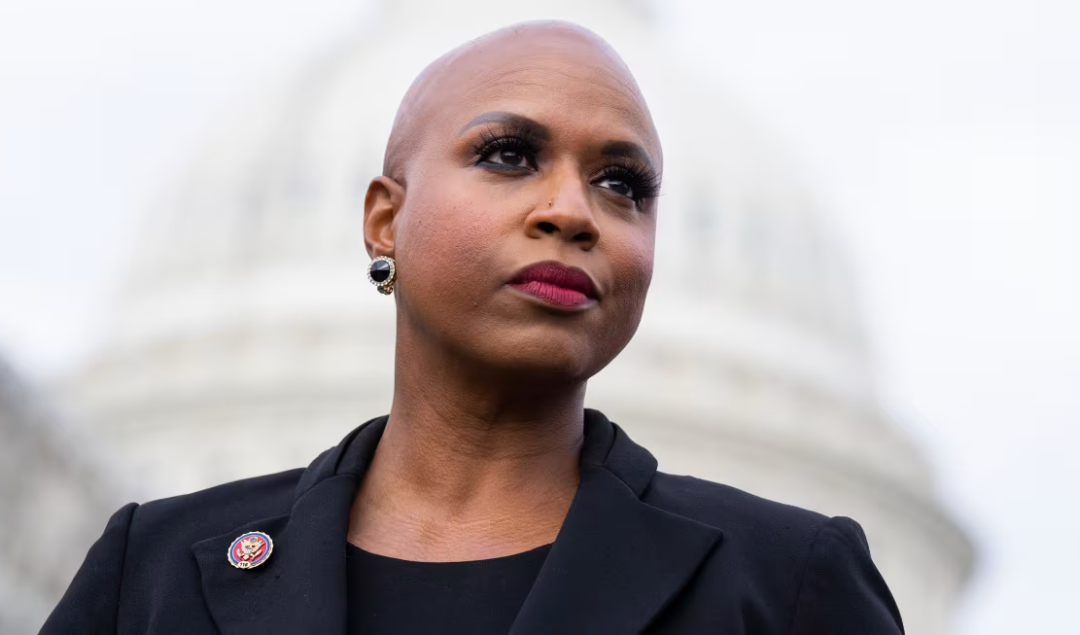
Nearly 300,000 Black women left the workforce in just three months, according to gender economist Katica Roy’s analysis of federal data published in MSNBC. Black women were the only major female demographic to see significant job losses in the five-month period between February and July, with 319,000 leaving the workforce, The New York Times reports. Rep. Ayanna Pressley (D-MA) is urging Federal Reserve Chair Jerome Powell to help address these concerning statistics. Pressley’s letter On September 8th, Pressley wrote a letter to Powell, saying, “In August 2025, 6.7% of Black
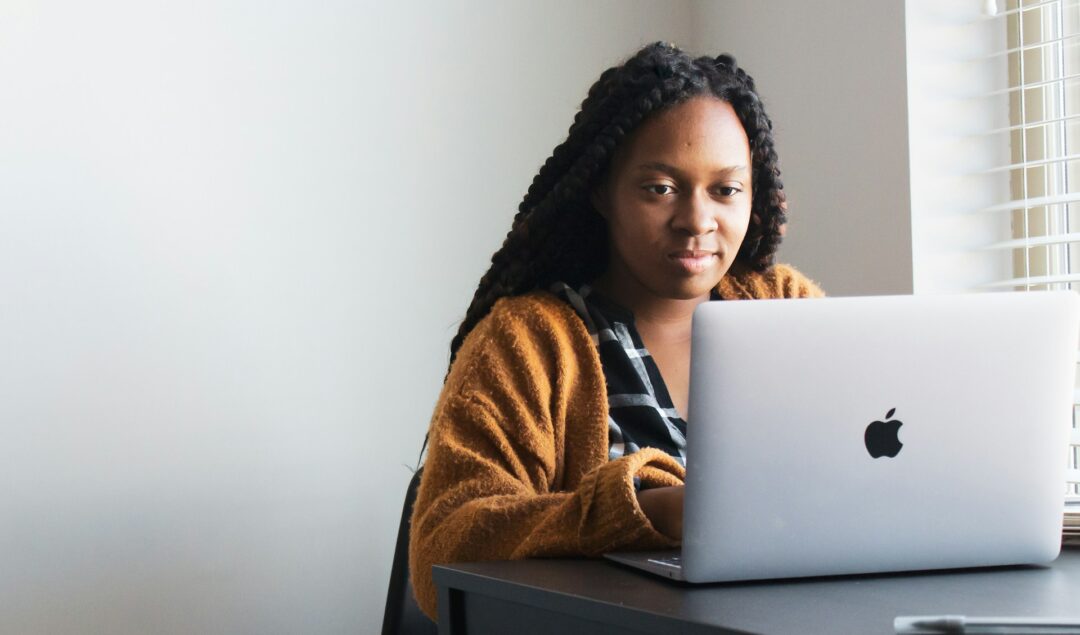
Amid rising unemployment rates for Black women, many with disabilities are seeking self-employment, according to a new study from Georgia State University and Wayne State University. Published in June in the Journal of Multicultural Counseling and Development, the research analyzed US Census Bureau data, including responses from 91 Black women with physical or mental disabilities. Nearly 44% reported being self-employed. Why are Black women with disabilities turning to self-employment? Counselors who work with Black women with disabilities say the findings provide important insights, as employment is a “key social determinant
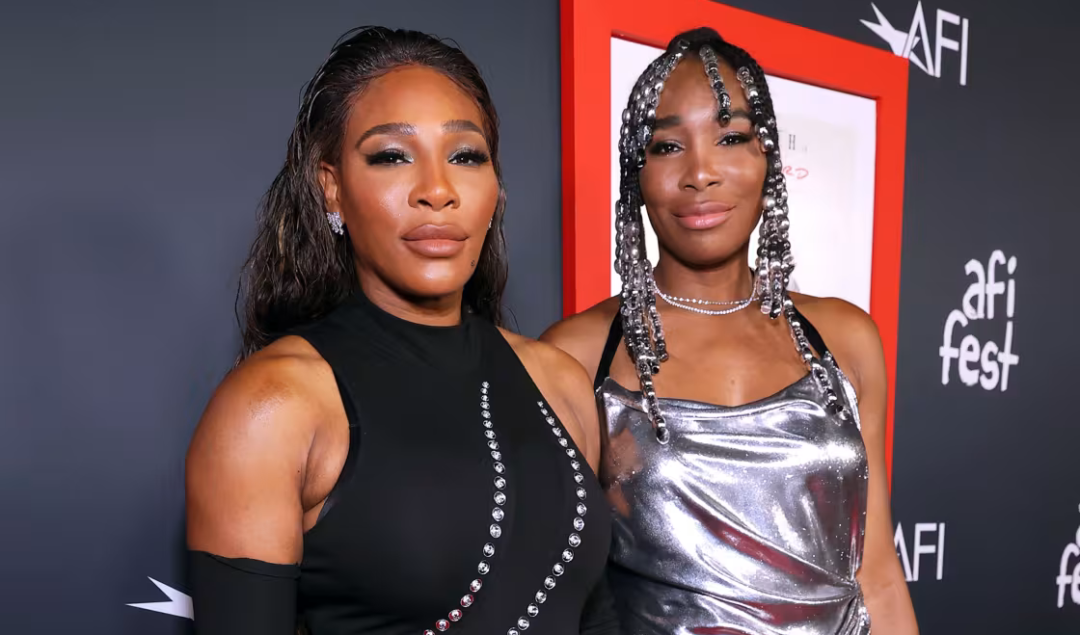
Serena and Venus Williams are launching the Williams Family Excellence Program, a new initiative to support under-resourced communities with academic support, career pathways, and mentorship. Launched in partnership with the USTA Foundation, the program will help young people prepare for their lives both on and off the court. “This initiative stands as a living legacy to the Williams family—a tribute not only to Venus and Serena’s extraordinary achievements on the court, but to the unwavering determination, sacrifice, and resilience that define their family’s journey,” Kathleen Wu, President of the USTA

Troodie, a new AI-powered social commerce platform, is using AI to bridge the gap between viral food content and real-world diner behavior, helping diners discover food spots, influencers earn, and restaurants grow. “That place you saw on TikTok? Save it on Troodie, keep scrolling, and know that you’ll be reminded to stop by,” the company states on its website. Founded by Charlotte-based entrepreneur Taylor Davis, Troodie officially launched last month during National Black Business Month. Helping Diners Save, Organize, and Visit Food Finds Between social media, word of mouth, and

Mykel B Davis, CEO of Muscle Up Mommy and creator of MUMFEST health and wellness festival, is set to relaunch Muscle Up Mommy online store during Black Breastfeeding Week. The relaunch brings back its sought-after wearable Breast Pump. “Muscle Up Mommy is making a bold statement: access, innovation, and representation in maternal health should not be optional—they’re essential,” Davis said in a press release shared with POCIT. Disparities in breastfeeding Black women in the US face significant disparity in breastfeeding rates, with lower rates of initiation and duration compared to white
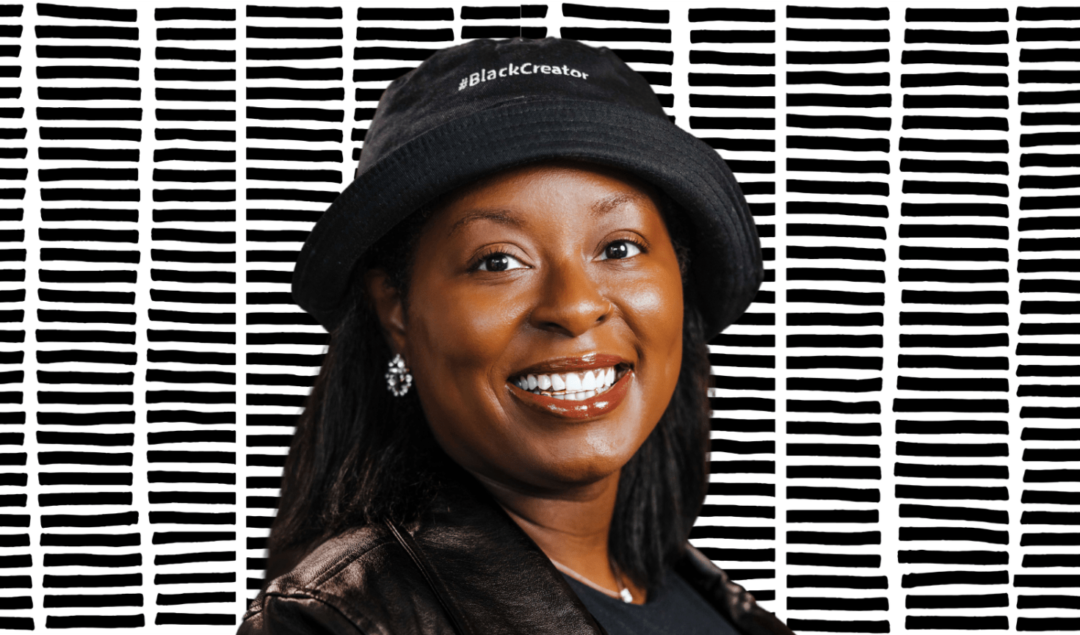
Tariqua “Tai” Nehisi, founder of Organizely, an AI-powered future workplace platform, is set to launch Tulsa Tech Week on Sept. 22. After launching her startup in 2021, Nehisi found herself in Tulsa, Oklahoma, for a program called Tulsa Remote in the following year. “I made a decision to move here at least for the year and see what Tulsa looked like. And in that moving here, I came at a time when there was a really great concerted effort to support the rebuilding of Black Wall Street through a technical lens with Black- and brown-focused
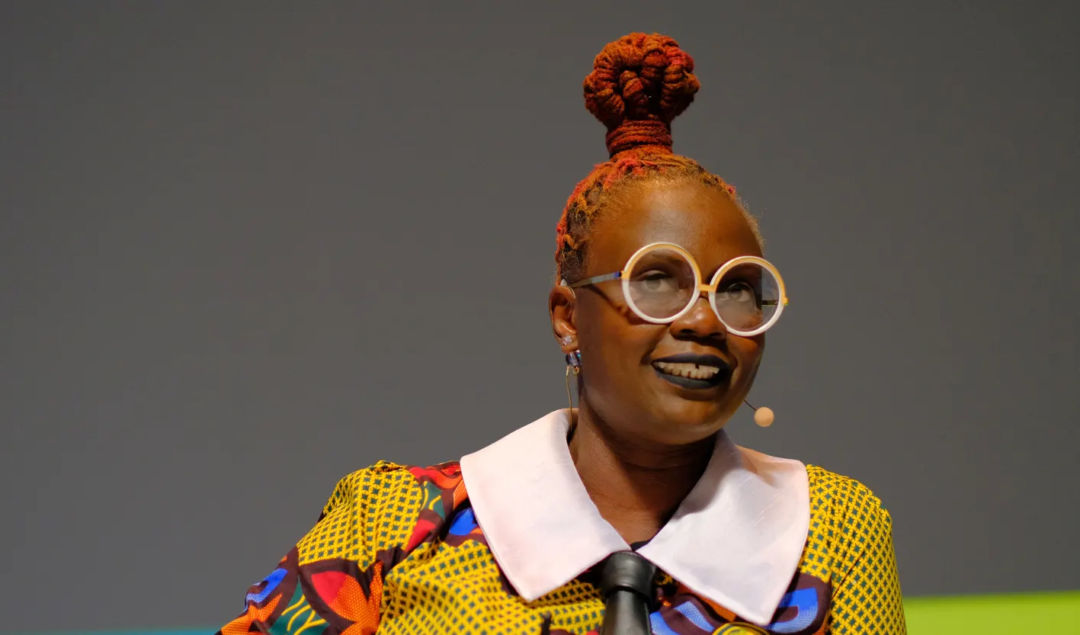
Caroline Wanga is stepping down from her role as president and CEO of ESSENCE Ventures. Wanga joined the company in 2020 but took a one-year leave due to health reasons. On August 25, ESSENCE Ventures issued a press release stating that Wanga would be leaving the company indefinitely, according to Black Enterprise. “We are profoundly grateful to Caroline for her leadership, vision, and unwavering advocacy of Black women and culture,” Richelieu Dennis, founder and chairman of Sundial Technology & Media Group, parent company of ESSENCE Ventures, said. “Her expertise in culture, equity, and
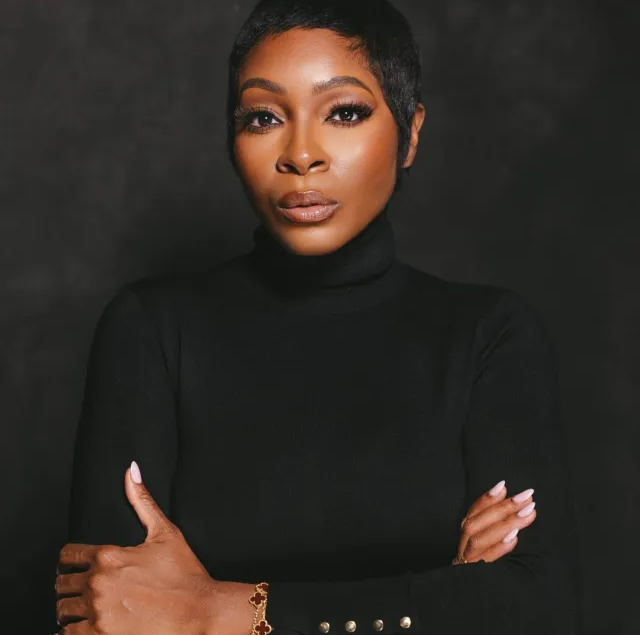
Every entrepreneur knows that running a business is not for the fainthearted. You’re often working several hours a day, balancing several tasks, managing your own cash flow, and then there’s the extra burden of being a Black or Brown entrepreneur. 81% of minority founders experience mental health issues, with 60% experiencing anxiety and 20% dealing with depression. It’s an aspect of being a business person that isn’t spoken about widely enough, especially for minorities. This is what drove wellness entrepreneur and founder of BodyCompleteRx, Samia Gore, to launch Foundnwell, a community-driven non-profit
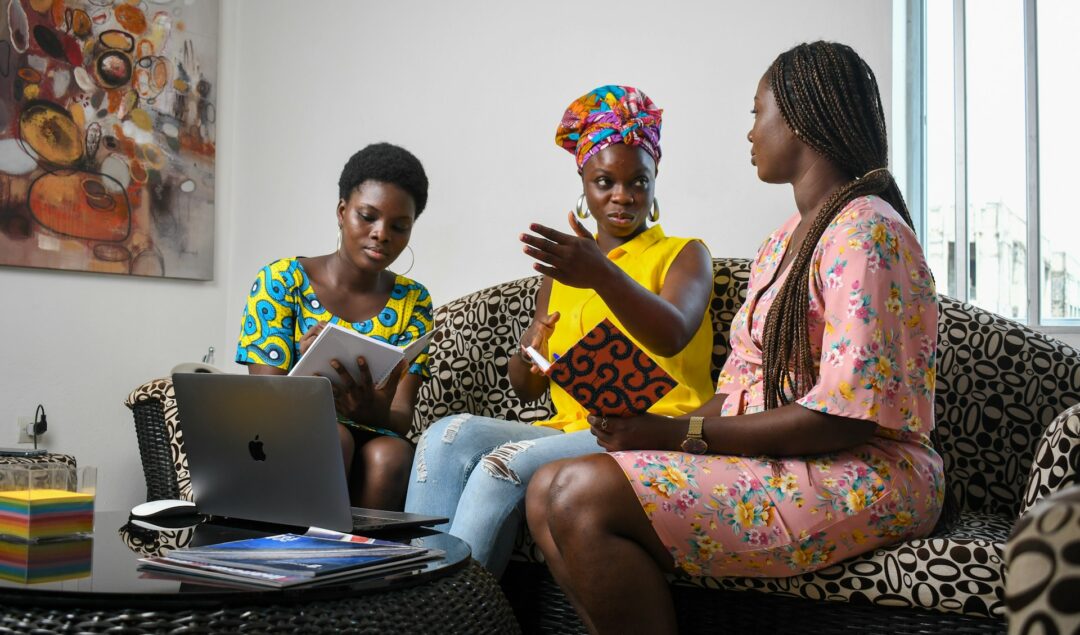
Alami Capital, the National Information Technology Development Agency (NITDA), and the Securities and Exchange Commission (SEC) are collaborating to launch the LaunchPad at GITEX Nigeria 2025, a pioneering investment and venture-building platform designed to scale Africa’s most promising women-led startups. Women in Africa own 27% of businesses and contribute 13% of GDP, and yet they only receive 7% of total venture capital. The LaunchPad will tackle the under-capitalization of women-owned startups. After GITEX Nigeria, The LaunchPad will give $250,000 in catalytic capital to 5 selected ventures, along with mentorship and

Rebundle, the first US-based, plant-based braiding hair company, now has a patent for its flagship innovation. In June, the brand’s founder, Ciara Imani May, announced that the company learned the United States Patent and Trademark Office approved Rebundle’s patent for its hair extension line called braidbetter. “The patent protects the core innovation behind braidbetter, giving it its unique texture, durability, and scalp comfort,” May said in an Instagram post. “For our community, it’s further proof that this product is protected, scalable, and here to stay.” Rebundle solving a solution After May


