

MyFiLi is a new AI-powered edtech platform designed to transform how families, schools, and nonprofits engage with financial literacy. The Urgent Need for Financial Literacy Currently, consumer credit card debt in the U.S. has hit an all-time high of $1.79 trillion, and savings account balances average just $4,521. MyFiLi.com addresses this gap by providing tools and knowledge that help users navigate the complex nature of financial management. According to BlackNews, Founder and CEO Joseph Green‘s mission is to empower everyone to develop a healthy relationship with money. “By making financial literacy education accessible,
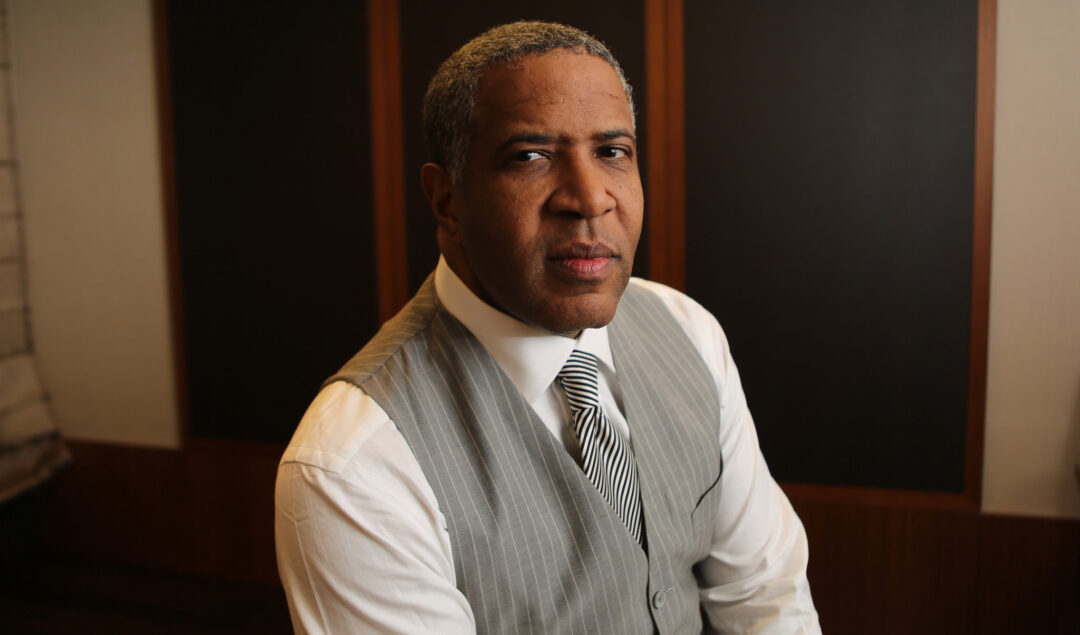
Robert F. Smith’s Vista Equity Partners has raised over $20 billion for its latest fund, making it the largest in its history. This new fund, known as the eighth flagship fund, passes the previous record of $17 billion raised in 2019. Embracing AI for Strategic Growth Vista Equity Partners, known for its investments in technology companies, will leverage AI to improve efficiency and performance across the firm and its portfolio companies. “You will also hear more about how we have adopted generative artificial intelligence not just as a tool but as
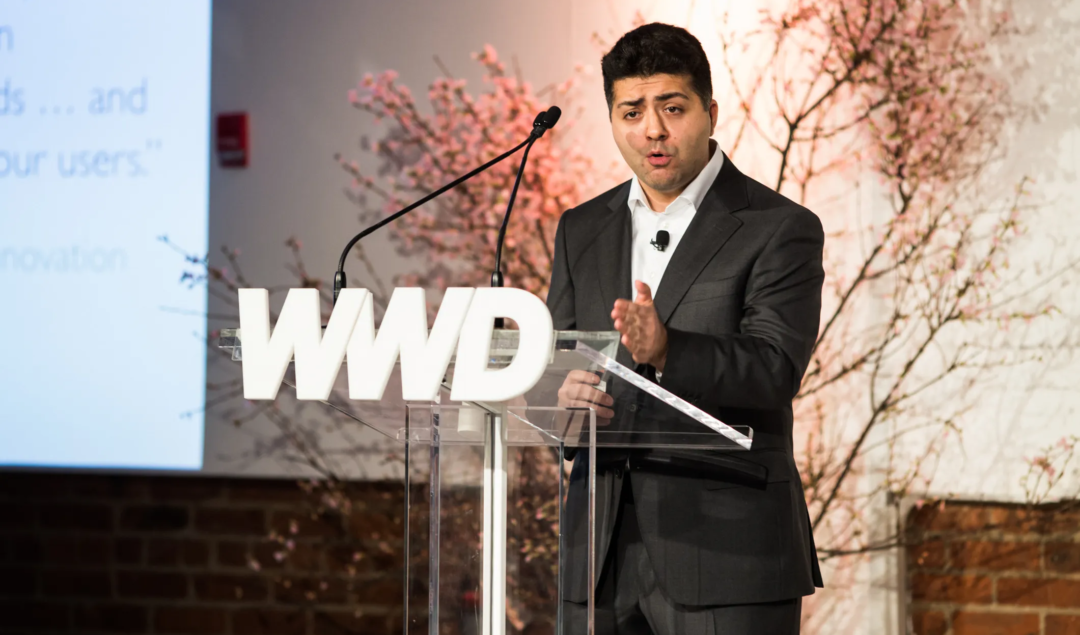
Parham Aarabi, a University of Toronto researcher, has developed an AI tool, named PRE, that could change how e-commerce sites cater to users with color vision deficiencies. AI-Powered Solutions for Improved Web Navigation “Around 8% to 10% of the population has a type of color-blindness,” said Aarabi according to Texh Xplore. “I wanted to see how this might impact web navigation.” Aarabi’s AI model simulates the browsing behaviors of virtual users, tracking interactions like page pauses, cart additions, and responses to discounts. The tool’s insights reveal that while colorful images typically attract users, those with color blindness respond differently, favoring monochrome imagery. By

In the US, African American women face higher mortality rates from major diseases like heart disease, cancer, stroke, and diabetes compared to other demographics. These disparities are often due to systemic biases in healthcare, which can diminish or underestimate the pain and symptoms experienced by these women. The Promise of Predictive Healthcare in Personalized Medicine Predictive healthcare, however, marks an evolution in medical treatment, moving away from a generalized approach to a more individualized strategy. This approach uses advanced predictive analytics, which allows healthcare providers to identify potential health risks early and
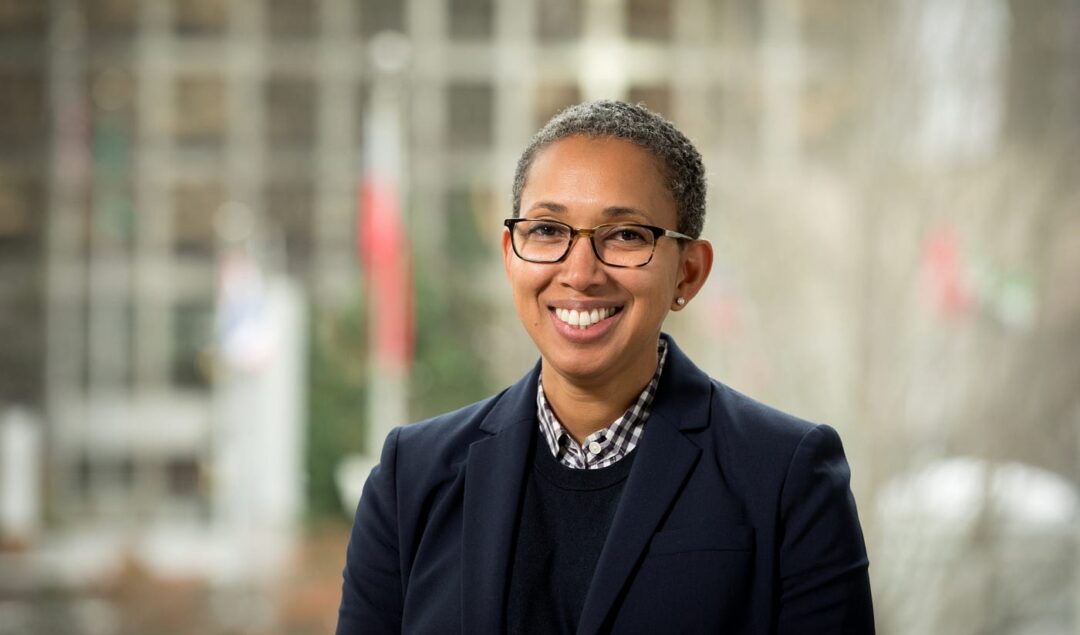
Research has shown that Black adults experience higher rates of sleep disorders, such as sleep apnea, insomnia, and irregular sleep patterns, more frequently than other demographic groups. Dr. Ivor Horn, Google’s Chief Health Equity Officer, is at the forefront of addressing these health disparities using AI. Her role mainly involves bridging healthcare gaps by using technology to enhance healthcare equity, particularly for marginalized communities. Sleep Disorders With Black People Factors contributing to less sleep among Black individuals include location, environmental noise, light pollution, and broader socio-economic issues such as stress and racial discrimination.

Toku, a fintech startup that specializes in recurring payment solutions, has raised $9.3 million in its latest funding round. The funding round was led by Gradient Ventures and supported by existing investors including F-Prime Capital, Clocktower, Y Combinator, Wollef, and Funders Club. This latest investment has now pushed Toku’s total funding to nearly $20 million. Revolutionizing Payment Collections In Latin America Founded in 2020, Toku has become a leading player in the fintech sector by automating the entire payment processing lifecycle. Its platform offers varied payment options, handles customer outreach, and optimizes collection strategies using real-time data. This approach enhances the

Bitcoin teller machines (BTMs) in the U.S. are disproportionately installed in areas with large Black and Latine populations, a Bloomberg analysis has revealed. BTMs in Black and Latine areas The number of BTMs, which allow people to convert cash into Bitcoin, has risen drastically over the last four years, now totalling around 31,100 units nationwide. These machines, commonly found in gas stations and convenience stores, saw a surge during the pandemic as interest in digital currencies grew. However, a Bloomberg analysis has revealed that the machines are disproportionately installed in

Researchers are improving detection algorithms to make them fairer and more accurate by incorporating greater demographic diversity, according to The Conversation. Deepfakes, synthetic media in which a person’s likeness is replaced with someone else’s without consent, are rapidly advancing. From realistic representations of celebrities in compromising situations to false statements by political leaders, technology poses a significant threat to trust and truth in digital media. As these manipulations become harder to detect, the want to develop tools to disprove them grows. Bias in Detection Algorithms Typically, deepfake detection systems rely
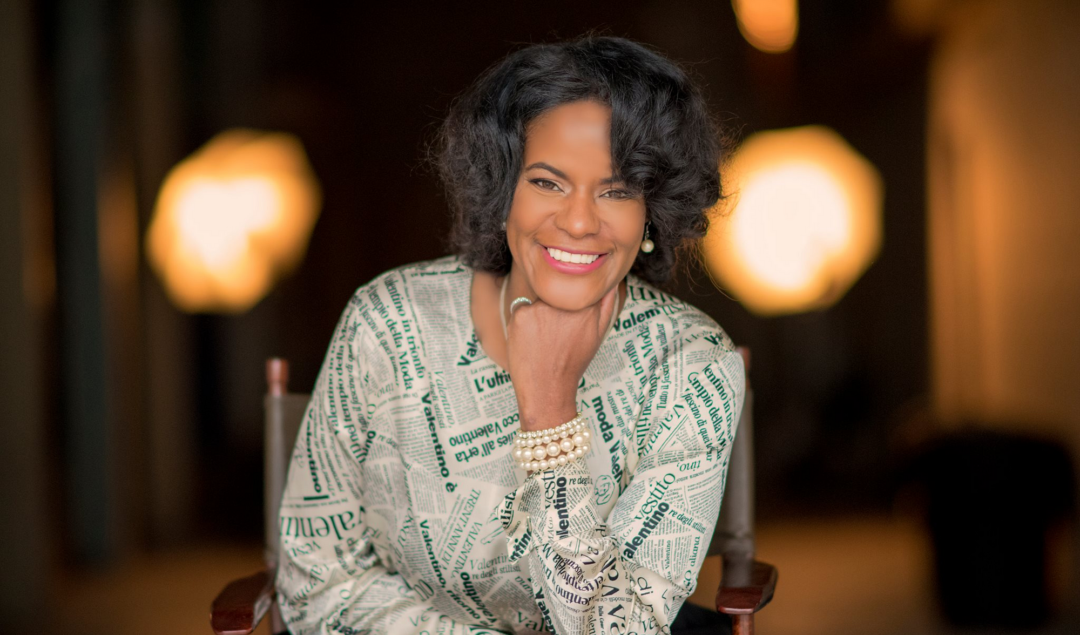
Dr. Dionne Mahaffey has developed an AI-powered platform, Behavioral Health Notes, to decrease the time mental health professionals spend recording notes. The Need For Efficiency in Mental Health Documentation The mental health sector has long faced challenges related to clinician burnout, increased by time-consuming administrative tasks. According to a recent report by Accenture, using AI in healthcare could save up to $150 billion annually by 2026, mainly by reducing such inefficiencies. A solution was needed for mental health professionals, where documentation can extend into personal time. Introducing Behavioral Health Notes Dr. Mahaffey, a

NBA star Chris Paul has teamed up with Goalsetter, a Black women-owned fintech company founded by Tanya Van Court, promoting financial literacy among middle school students in Oakland, California. Addressing the Financial Literacy Gap Goalsetter’s recent study with Ivy League students revealed a gap in financial knowledge, with many failing to answer basic financial literacy questions correctly. “Empowering our youth with the knowledge and tools to secure a financially sound future is not just a commitment, it’s a necessity,” Paul said in a press release sent to AFROTECH. “We owe


