
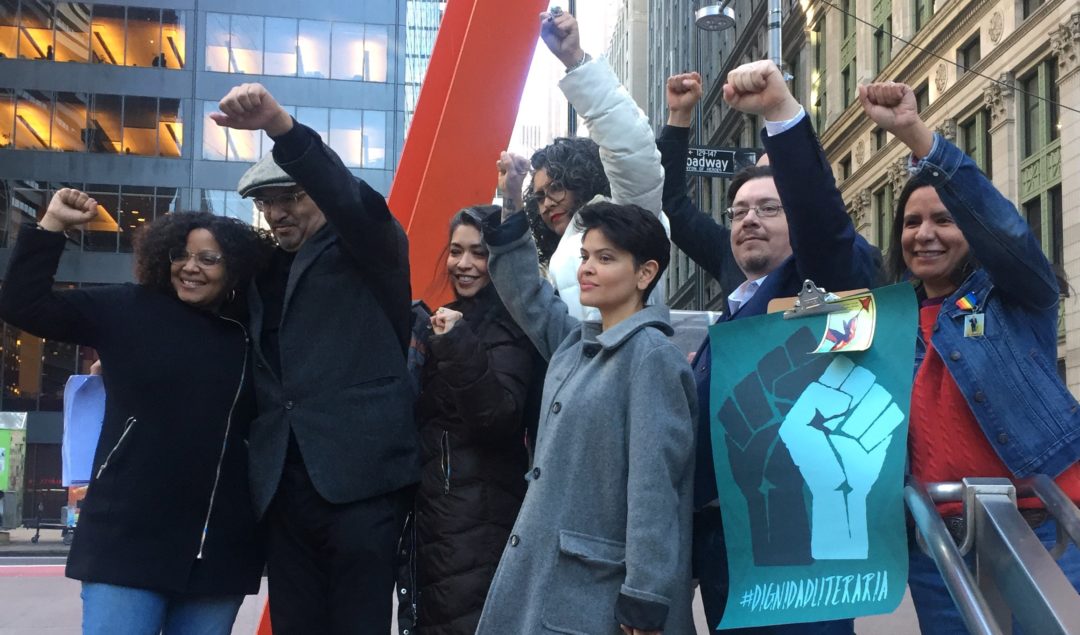
The summer of 2017, Luis Fonsi and Daddy Yankee’s “Despacito” remix featuring Justin Bieber had become the top song in the country. While it was already a hit pre-Bieber, Justin’s auto-tuned Spanglish brought the song into the consciousness of many Americans, qualifying a predominantly Spanish-language song as “mainstream,” i.e. not only digestible but desirable to the wider American public. No small feat. I was at a popular lounge in New York City when a DJ played the record. A woman sitting at the neighboring banquette, partying with her daughter and friends, reached

Last year, screenshots of internal Slack messages from the New York office at Away, the travel startup, made their way into the media, primarily reported by The Verge. The reports included testimony from former employees denouncing both the company’s workplace culture and the management style of then CEO Steph Korey as toxic. Steph apologised and after apparently stepping away from her CEO role (and the company altogether), now remains as Co-CEO alongside Stuart Haselden. Workplace culture is kind of my bag; professionally it’s among my areas of expertise and also something I geek
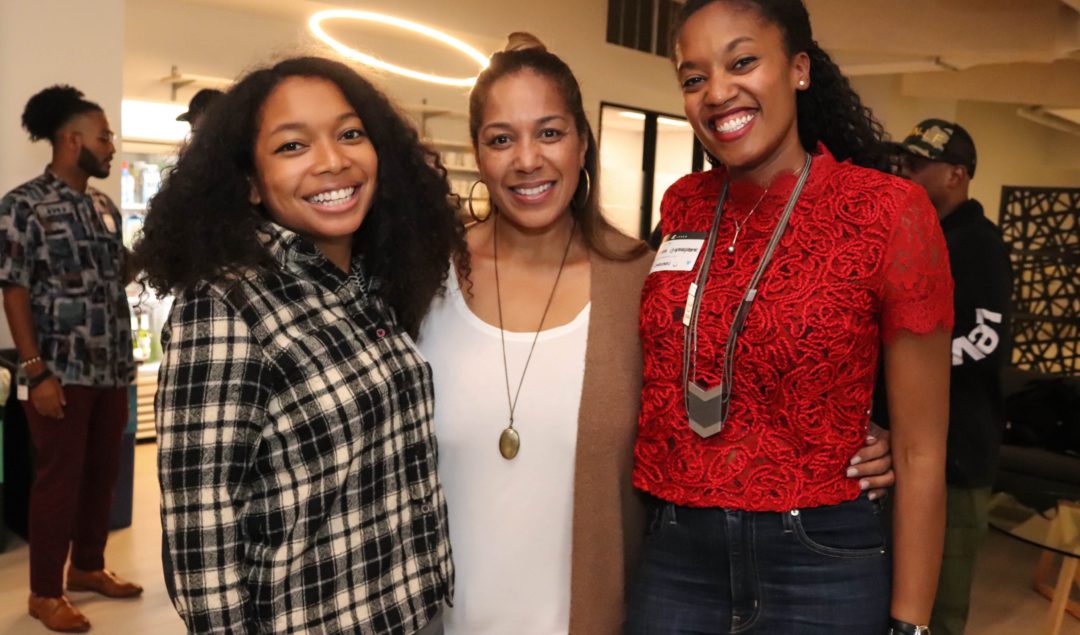
Women founders of color deserve recognition — and money. It’s time to replace the window-dressing with real representation. On International Women’s Day, we should focus on the numbers and the right numbers. International Women’s Day (#IWD2020) was designed to celebrate the social, economic, cultural and political achievements of all women — while also marking a call to action for accelerating gender equality. So instead of letting this day pass as yet another PR opportunity to highlight a company or firm’s gender diversity with one specific racial background, let’s take a
In honor of Black History Month, a group of Black founders, VCs, and tech professionals put together the most comprehensive list of US-based venture-backed Black founders ever. In honor of Black History Month ✊🏾, a group of Black founders, VCs, and tech professionals put together the most comprehensive list of US-based venture-backed Black founders ever. We hope this will be an inspiration to a generation and serve as a running historical record of Black founders, both past and present. The release of Jessica Livingston’s book “Founders At Work” has inspired
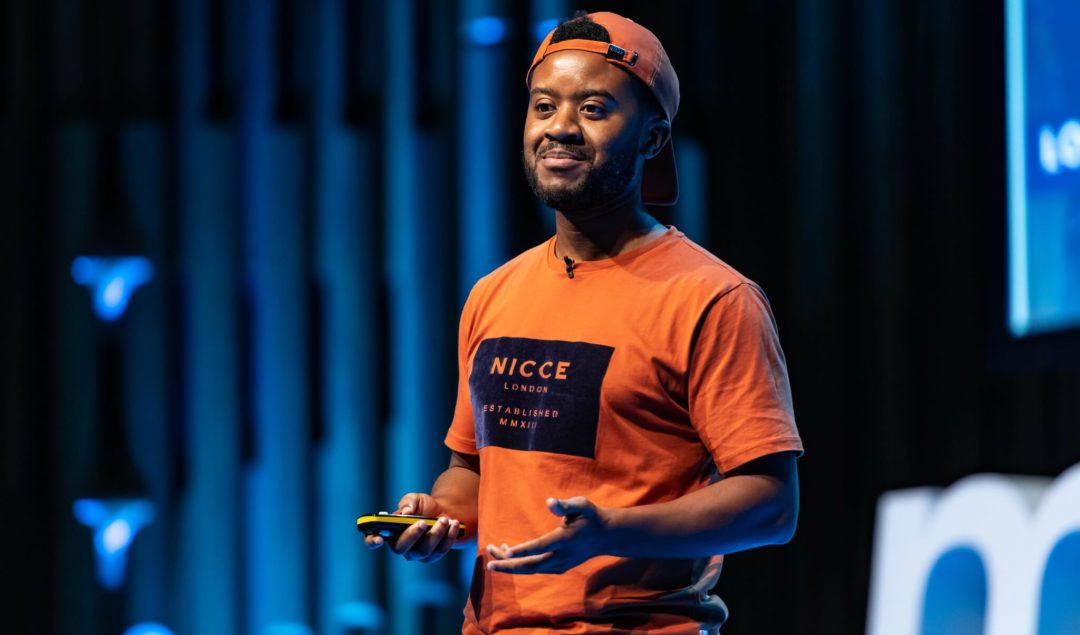
This was originally posted here: http://ahvc.school/blog Yesterday, a friend of mine shared with me the great news that he was planning on starting a family and asked: “what is the one skill that you would love to teach your daughter as she grows up?” Almost immediately I answered, “the ability to make smart decisions on a consistent basis when I am not in the room.” One trait that I believe has shaped me profoundly in the decisions I make in my career, with my family and in life, is the
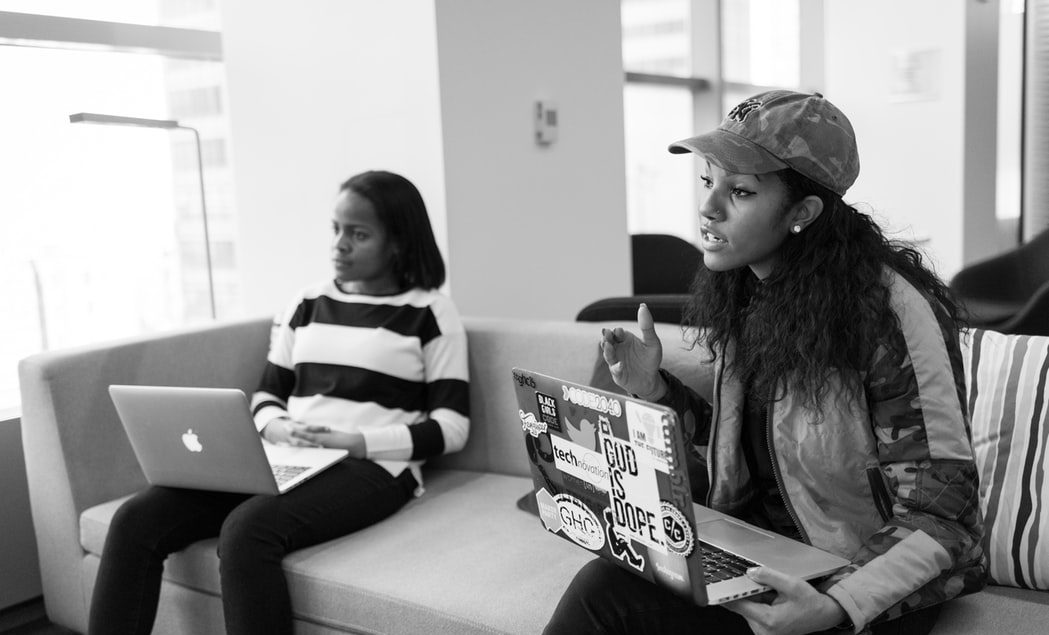
What I love about the tech design community, is that we are so invested in our collective growth. I find myself constantly looking to network, collaborate with, and learn from other designers in the field. The following list is a collection of some of the Black Designers across the diaspora who are creating stunning experiences, invaluable products, but most importantly, long-lasting communities. 1. Mariam Braimah @ Netflix Design Team Mariam is a Product Designer at Netflix. She also founded the Kimoyo Fellowship, which is a design program teaching the skills required to become an
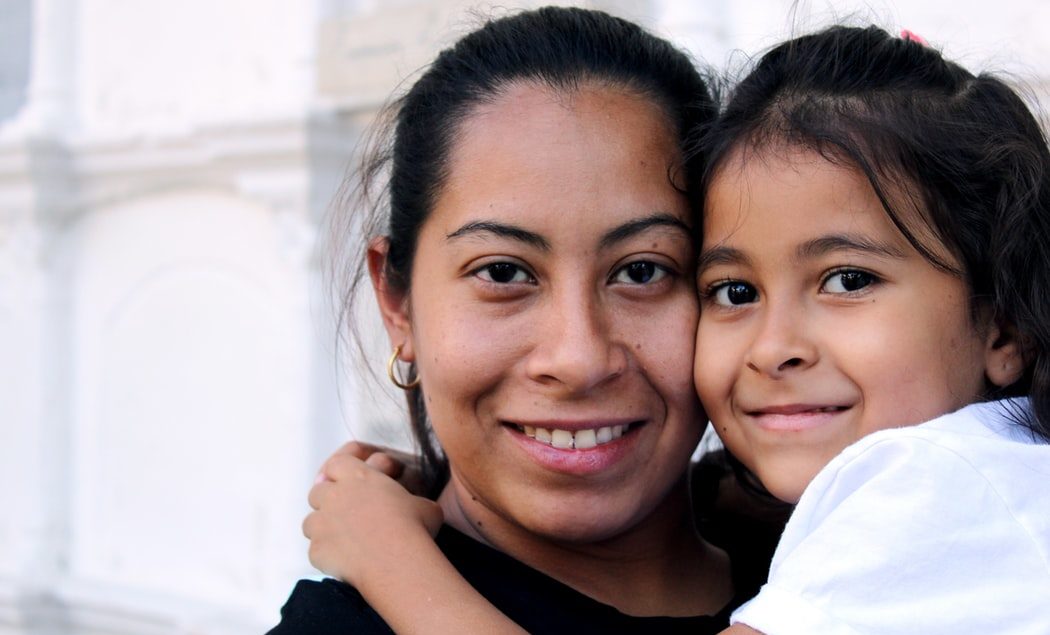
Subscribe to the Techish Podcast on Apple Podcasts, Spotify, And Other Platforms. Episode Content: In this episode of this Techish, Abadesi and Michael discuss: ⚡ Jeff Bezos donates $10 billion⚡ Are VC’s hyping up the Corona Virus? ⚡ HQ Trivia shuts down⚡ The Techish Parasite review⚡ Single mother founders? [24:16] Extras: Techish on Patreon: Advertise with Techish: Please rate and review the Techish podcast
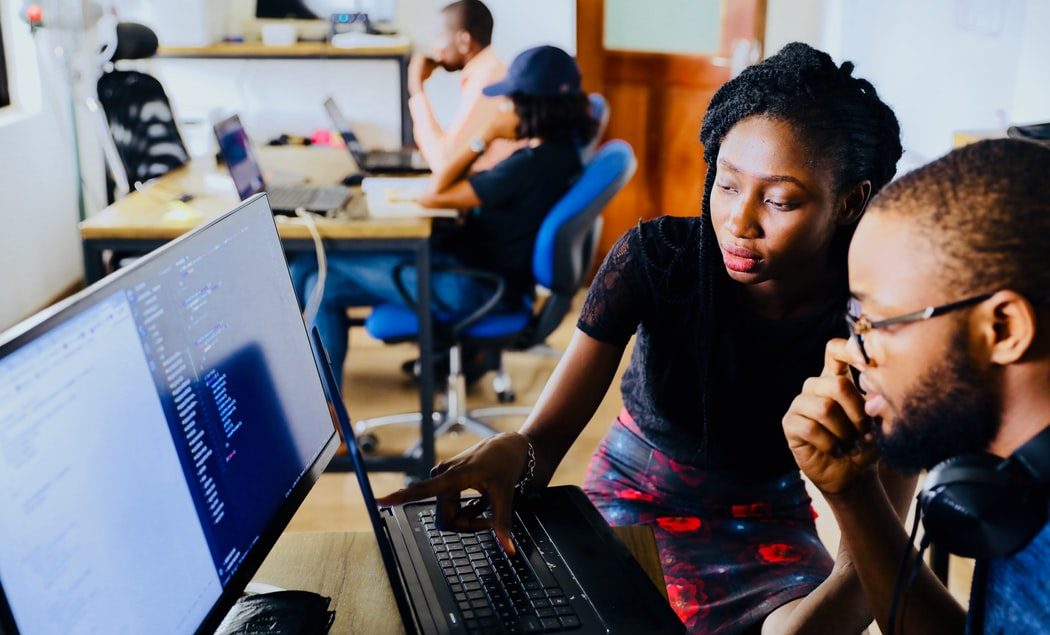
TL;DR We don’t have a diverse, equitable, and inclusive (DEI) tech industry. We need one to serve the market better, take the money that’s being left on the table, and produce outsized returns for all. There’s a lack of dollars going to underestimated founders and companies addressing underserved communities, and a lack of diverse check writers. How can we make it a DEI tech industry? Approaches can include, but are not limited to: Increasing the number of underestimated tech talent (also promote, sponsor, and pay well) Increasing the dollars going
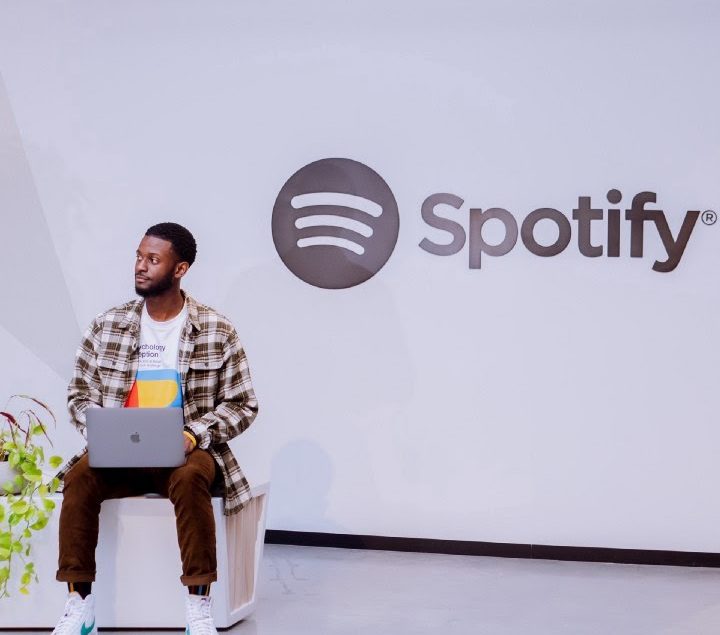
TL;DR — This isn’t a self-promotional post about landing a job. It’s about embracing failure and hard lessons as a necessary part of the process in making a lofty dream become a reality. These days when people ask me how I’m doing, I would often ask if they’ve seen “The Pursuit of Happyness” because life for me is like the movie (mainly the ending). Through the pursuit of my own “happiness” — I learned valuable lessons in making a dream become a reality. Imagine celebrating your birthday with family and
At the start of 2019 I made a promise to myself: to only read novels written by women of color. I couldn’t have predicted how much this would change me. The decision wasn’t solely driven by a desire to invest in people and communities that I believe in, but an attempt to balance a lifetime-so-far spent reading the voices of those who represent systems and ideologies that oppress me and communities I care for deeply. The content we consume directly impacts the way we see the world and the way


