
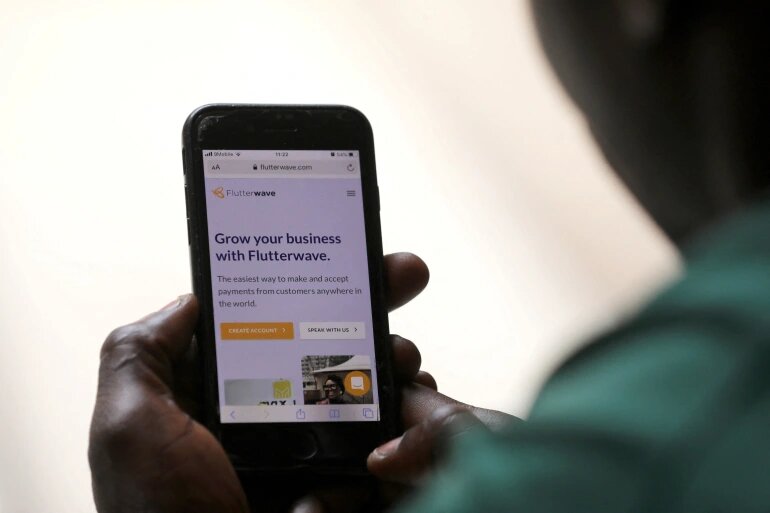
From financial impropriety and conflict of interest to operating without a license, Nigerian fintech company Flutterwave is no stranger to allegations. Most recently, the Kenyan High Court officially granted the Asset Recovery Agency (ARA) permission to freeze over $50 million in 52 accounts belonging to the fintech giant following allegations of money laundering in Kenya. According to local media reports, the ARA believes that the platform “concealed” the nature of its business by providing a payment service payment without approval from the Central Bank of Kenya. The assets recovery agency claims the accounts
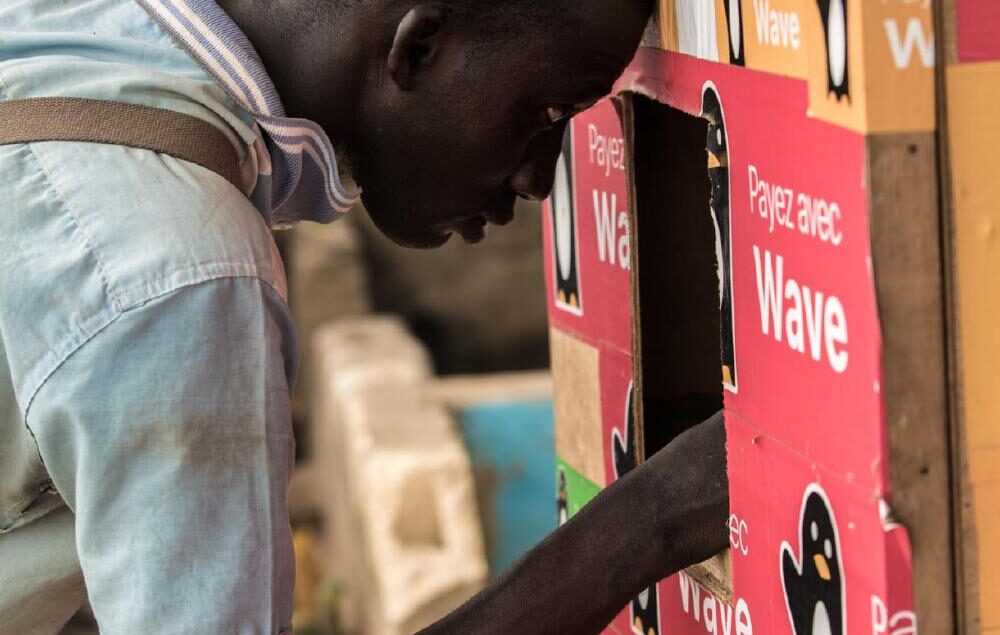
Senegal-based fintech startup, Wave, raises a syndicated loan of $91.5 million from International Finance Corporation (IFC), Blue Orchard, Symbiotics, responsAbility, and Lendable. Wave Mobile Money, founded by Drew Durbin and Lincoln Quirk in 2018, has quickly grown to become the largest mobile money remittance in Senegal. In 2021, the company closed the most extensive Series A round for an African fintech at $200 million. The digital fintech platform uses technology to build a radically inclusive and affordable financial network. As a result, Wave has built a life-changing economic infrastructure for
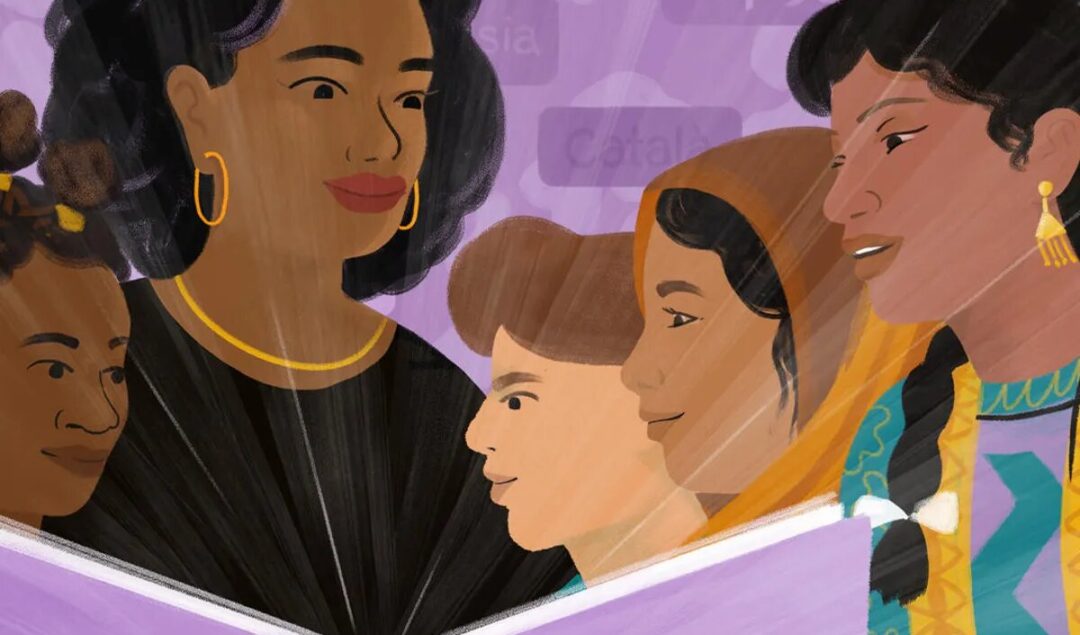
Social media giant Facebook is on a mission to create some of the most innovative forms of technology in society today. The platform recently announced the launch of its new AI translator, No Language Left Behind (NLLB-200), the first multilingual machine that can translate up to 200 languages without relying on English data. The NLLB-200 aims to help people better connect in society today by eliminating the language barrier. Meta’s AI model uses one of the world’s fastest AI supercomputers and is already used to translate content on Facebook and Wikipedia.
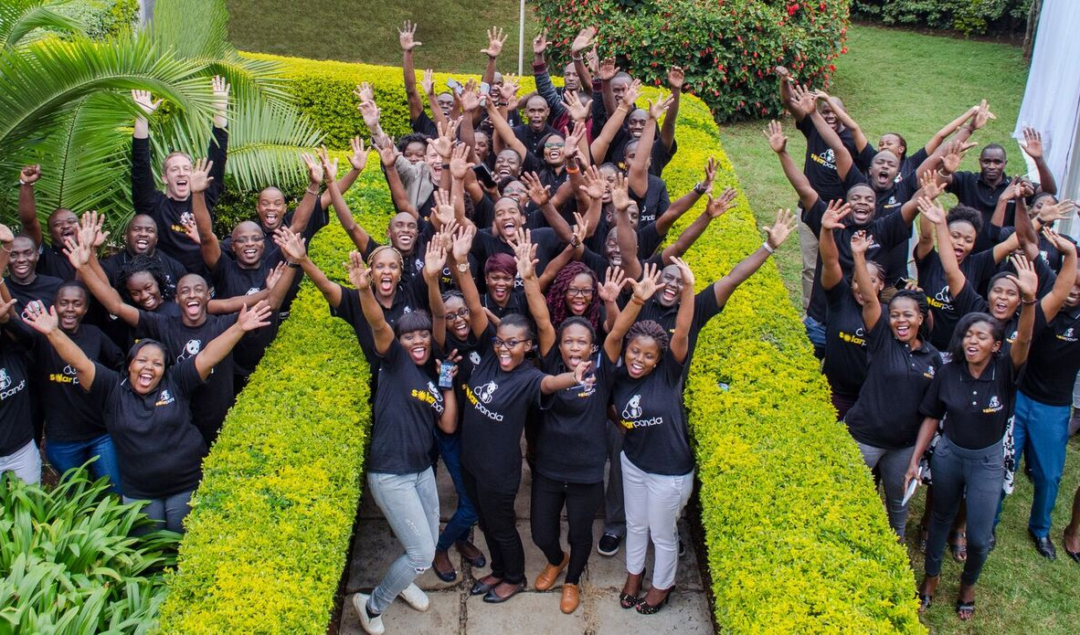
Kenyan and Canadian-based solar energy platform, Solar Panda, has raised $8 million in Series A funding. The funding round was led by investors Oikocredit and Electrification Financing Initiative. The pay-as-you-go solar home system was founded by Andy Keith in 2016, to help provide clean, affordable solar energy to rural communities in Africa. The platform has already provided more than 200,000 solar home systems to households across Kenya from its 37 retail branches. “We are excited to partner with leading global impact investors Oikocredit and EDFI ElectriFI and thankful that this
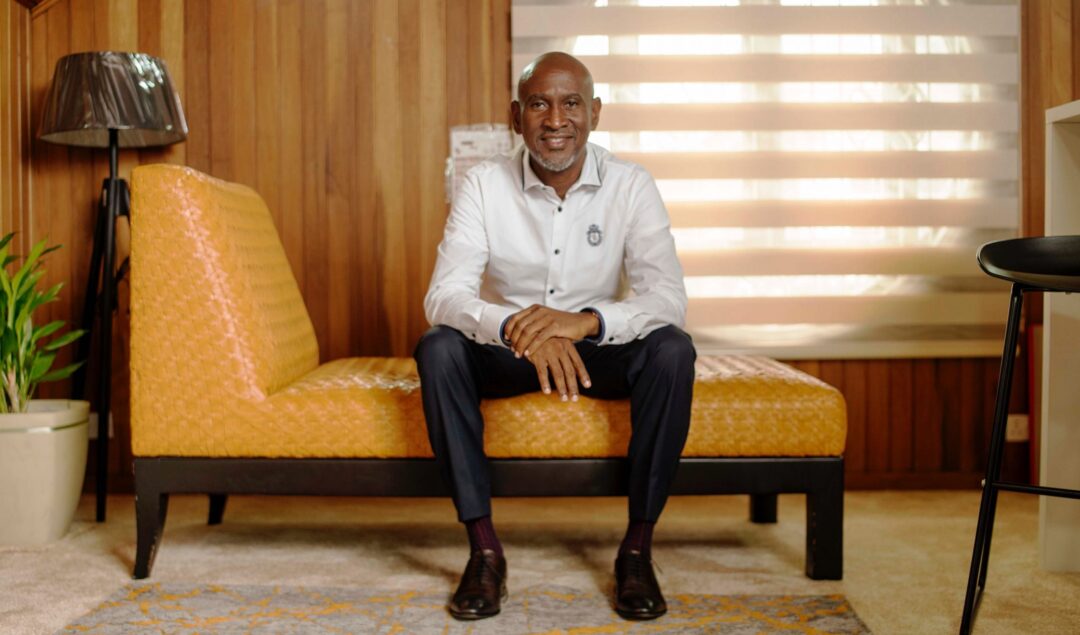
Changing the continent’s narrative will entail solving old problems while also harnessing the power of new technologies, says Akintoye Akindele, a serial entrepreneur and investor on a mission to build a new Africa. Akindele is also the chairman of Platform Capital, a venture capital outfit that invests in tech companies across the world, but mostly in Africa. In May 2022, Platform Capital announced an investment in Zuri Health, a company that connects patients with affordable healthcare services via SMS, WhatsApp, and a dedicated app. Speaking ahead of receiving the African
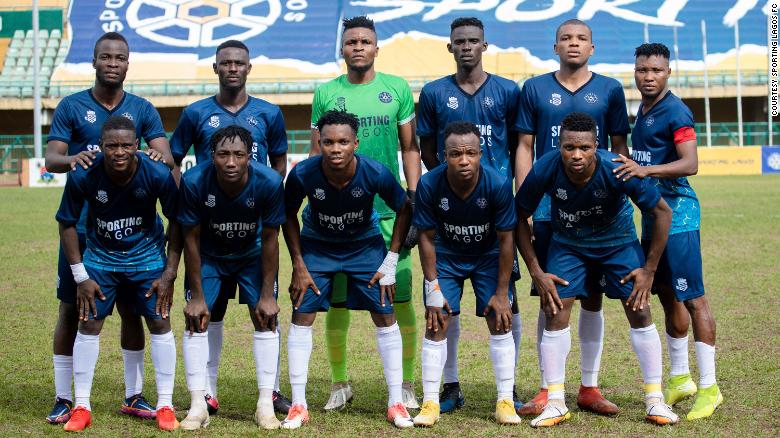
Earlier this year, on February 13th, Sporting Lagos FC played its first-ever football match, which ended in a draw. The club, which currently plays in the Nigerian National League, the country’s second tier, is the brainchild of Shola Akinlade, co-founder and CEO of financial technology company Paystack, which he says was acquired for more than $200 million in 2020 by Irish American financial services company Stripe. Akinlade says he intends for Sporting Lagos to be a platform for community development and social change. But managing a football club in Nigeria is often
Uber’s rival, Bolt, has opened its first African headquarters in Nairobi, Kenya. The new office will serve as a regional hub for the top managers and staff running operations across the continent. Bolt, which Markus Villig founded in 2013, has more than 100 million customers in over 45 countries. The company operates in seven countries across Africa, including Kenya, Uganda, Tanzania, Nigeria, Ghana, South Africa, and Tunisia. The famous ride-hailing company decided to open its first regional hub in Africa due to rapidly growing demand. The head office will be
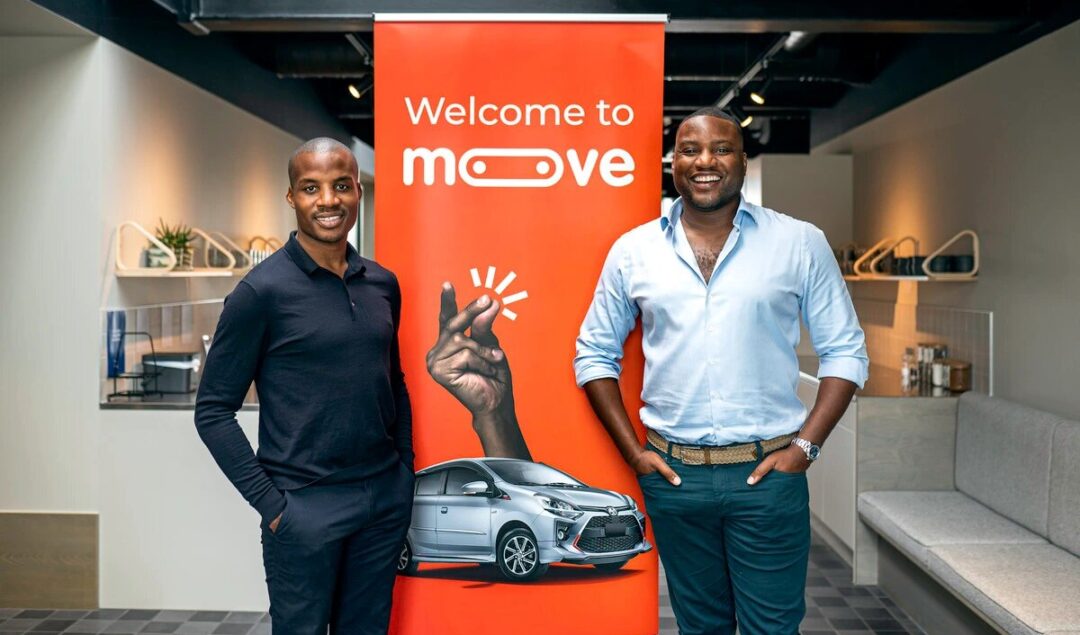
Black-led fintech startup, Moove, raises $20 million in investment funding from the British International Investment (BII) program, formerly known as the CDC. The investment reflects the BII’s plans to build a resilient market in Nigeria, providing access to various economic opportunities for upcoming businesses while simultaneously accelerating the country’s limitless entrepreneurial spirit. Moove, co-founded by Jidi Odunsi and Ladi Delano in 2020, is a mobility fintech platform that provides revenue-based vehicle financing to mobility entrepreneurs across Africa. The co-founders, both British-born Nigerians with degrees from the London School of Economics
African-based distribution platform, Afrikamart, has raised $850,000 in seed funding. The funding round, led by Bloc Smart Africa and managed by Bamboo Capital Partners, saw a range of investors participate, including Bamboo Capital Partners, Orange Ventures, Launch Africa, and Teranga Capital. Afrikamart, co-founded by Albert Diouf and Mignane Diouf in 2018, is a digital distribution platform that works to provide services to farmers. The brothers launched the tech platform to address farmers’ problems with poor market access and late payment from intermediaries using technology to collect products from thousands of
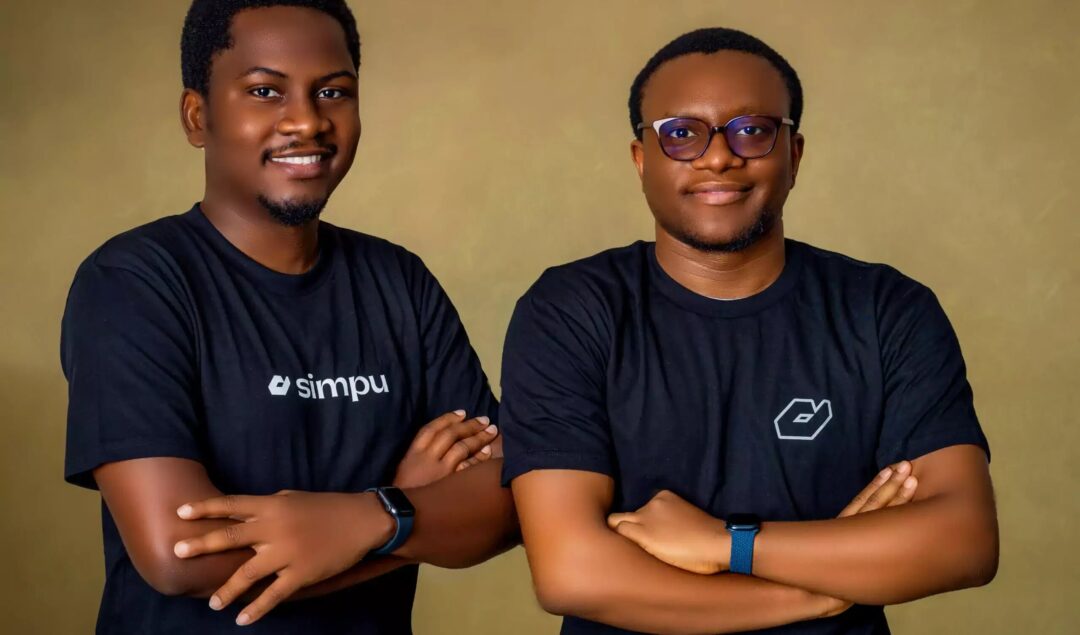
Black-led communication startup, Simpu, has launched its first-ever omnichannel inbox, allowing businesses to interact with customers through various social channels. The omnichannel inbox will not only enable companies to communicate with their consumers in a range of mediums, but it also allows them to diverge away from the traditional customer support channels, which primarily focus on phone, email, or chat support. Collins Iheagwara co-founded Simpu with Kolawole Balogun and Tioluwani Kolawole in 2020, which was designed to help business owners unify all their communication channels through an automated workflow. The


