Kenya Is Selling A Huge Stake In Its Oil Pipeline Company. Could This Be East Africa’s Biggest IPO?
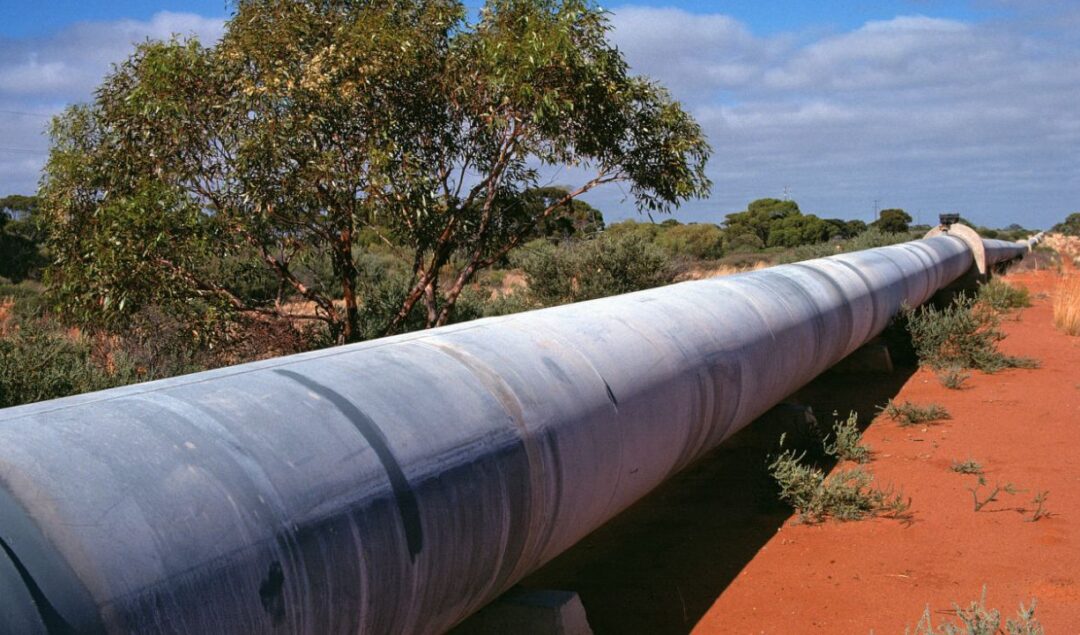
Kenya’s government has launched the sale of a majority stake in its state-owned oil pipeline company, marking the country’s first stock market listing in a decade, Reuters reports.
On January 19, the government began selling 65% of Kenya Pipeline Company (KPC) to the public, hoping to raise about $835 million. If successful, it would be the region’s biggest initial public offering (IPO) since Safaricom listed in 2008.
Why Kenya Is Doing This Now
Kenya has been under pressure from rising public debt, and President William Ruto’s administration has said it wants to fund infrastructure and public spending without taking on more loans. So instead of borrowing more money, the government is turning to the stock market, hoping to raise money from investors.
The government is selling 11.8 billion shares at 9 Kenyan shillings each, valuing the company at about KES 163.6 billion ($835 million). The sale will run until February 19.
Who Can Buy the Shares?
The Kenyan government has allocated 20% of the shares to retail investors and 20% to institutional investors, TechCabal reports. East African Community investors can buy 15% as can oil marketing companies, many of which already rely on the pipeline. After the sale, the government will still own 35% of the company.
Uganda, one of Kenya’s biggest trading partners, has also signaled interest in buying a stake using part of a planned $2 billion loan backed by global oil trader Vitol.
National Treasury Cabinet Secretary John Mbadi said the move isn’t about selling off national assets, but about using them more efficiently: “It is a decision about capital efficiency rather than asset disposal,” Mbadi said at the IPO launch. “These companies are not supposed to be kept like souvenirs.”
Why Investors Are Paying Attention
Kenya Pipeline reported KES 10 billion ($77.5 million) in pretax profit in the previous financial year, placing it among the more profitable state ventures. The company owns 1,342 kilometres of pipeline and at least 884,000 cubic meters of storage capacity across Kenya..
Because of its size and profitability, analysts say the IPO could also increase Kenya’s visibility in global investment indexes, potentially attracting more foreign investors to the country’s stock market.
If this IPO succeeds, it could signal a reopening of Kenya’s public markets after years of inactivity and show whether the country can use strong, cash-generating infrastructure assets to bring investors back.
Image credit: The Kenyan Wall Street