

Female entrepreneurs of color remain among the most disadvantaged in raising capital, despite growing efforts to support diversity in entrepreneurship, according to The Funding Divide report. Persistent Challenges in Fundraising The report, published by DocSend and Dropbox, found that racially diverse, all-female startup founding teams spent the longest time raising capital. In 2023, they spent an average of 25 weeks fundraising in 2023, a 67% increase from 2022. Despite this extended effort, they secured an average of only $460,000, the lowest amount among all demographic groups. In contrast, racially diverse,

Driving Forces, a deep tech and fintech venture capital fund, is closing down despite its healthy performance. Solo general partner Sidney Scott explained the decision on LinkedIn, citing increasing competition in a crowded investment space as contributing factors. The Rise and Shift in Deep Tech Investment Scott launched Driving Forces five years ago, using his experience at Amazon with robotic fulfillment systems and optimization technologies. His $5 million fund, driven by an interest in hard tech and a commitment to innovation, saw success in the company. The portfolio included investments
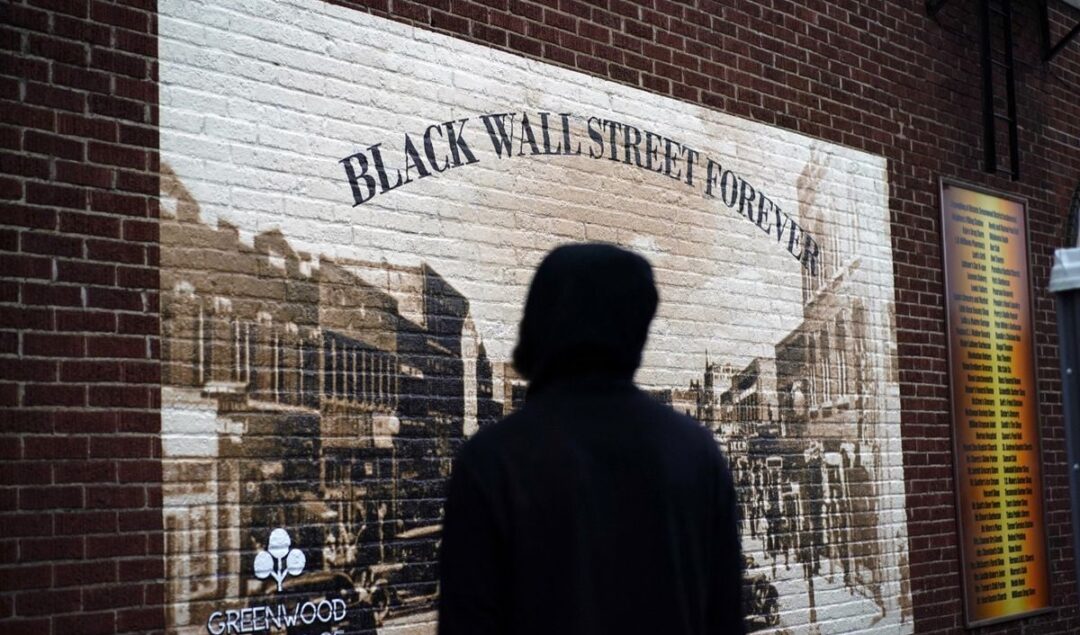
The Biden-Harris administration and the U.S. Economic Development Administration (EDA) have granted $51 million to the Tulsa Hub for Equitable and Trustworthy Autonomy (THETA). Led by Tulsa Innovation Labs, the initiative aims to enhance the region’s capabilities in autonomous systems through advanced manufacturing and technology deployment. Tulsa’s Legacy of Innovation Tulsa is one of 12 regions awarded funding from the 31 designated “Tech Hubs” last fall. This federal investment leverages Tulsa’s strong history in aerospace and manufacturing to push U.S. leadership inequitable and trustworthy autonomous systems. The city’s focus areas
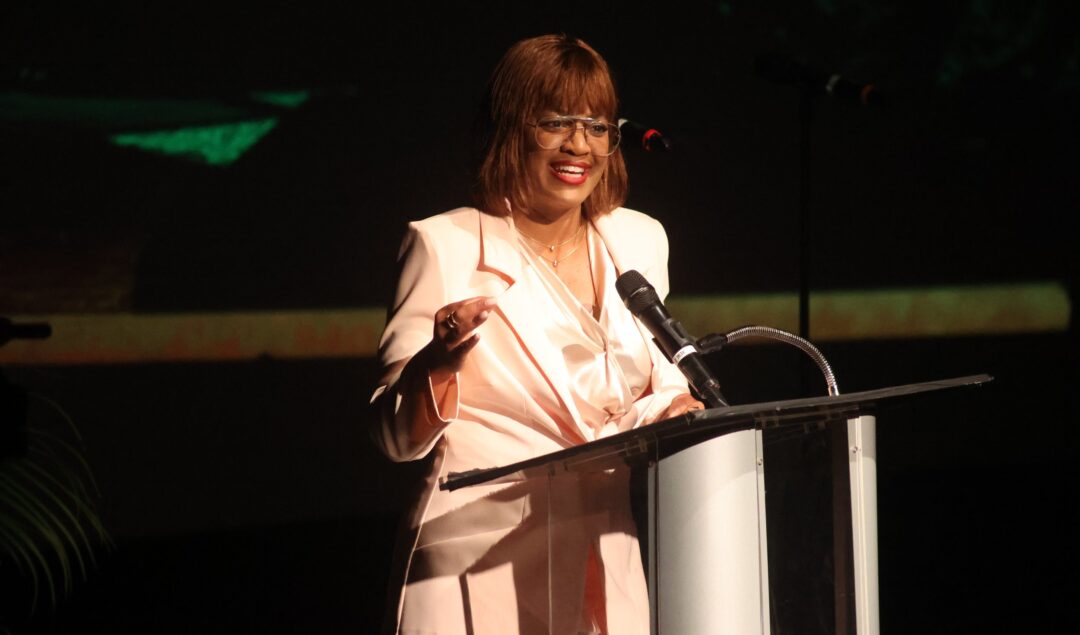
Queens Borough President Donovan Richards recently unveiled a plan to establish a new diversity tech and innovation center in Long Island City, slated to open in early 2025. Empowering Minority-Owned Startups Partnering with Pursuit, a Queens-based non-profit, the Queens Diversity Tech Hub will occupy a 7,000-square-foot space in the Pursuit building at 47-10 Austell Place. This state-of-the-art facility will serve as a launchpad for up to 50 emerging startups, targeting minority-owned businesses seeking seed and Series A funding. The initiative is set to address the funding challenges faced by startups

NASA has awarded $1.2 million to 23 minority-serving institutions (MSIs), including Spelman College, Fayetteville State University, Hampton University, and New Mexico Institute of Mining and Technology. This funding aims to enhance their science, technology, engineering, and mathematics (STEM), research and technology capabilities while contributing to NASA’s missions. Advancing STEM at Minority-Serving Institutions The awards are part of NASA’s Minority University Research and Education Project (MUREP) Partnership Learning Annual Notification (MPLAN) initiative. Each selected institution will receive up to $50,000 over six months, allowing them to work directly on STEM projects

TestParty, a Black-led, AI-driven software compliance company, has raised $4 million in a seed funding round led by Harlem Capital and the Urban Innovation Fund. Founded in March 2023 by Michael Bervell and Jason Tan, TestParty helps businesses automatically rewrite source code to comply with global digital accessibility regulations. Making websites more accessible Currently, nearly all popular websites fail to meet the Web Content Accessibility Guidelines (WCAG), leaving millions of people who rely on assistive devices unable to engage with the digital world. TestParty aims to bridge this gap by
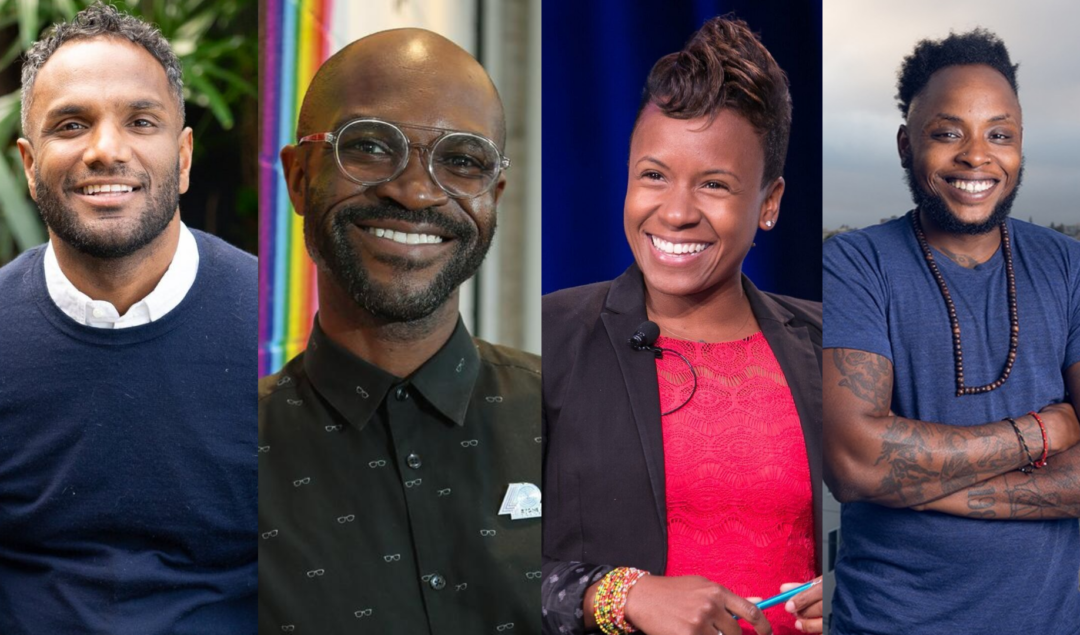
Every June, Pride Month celebrates LGBTQ+ communities worldwide and honors their contributions to society. It’s also a time to recognize the ongoing struggle for representation, equality, and acceptance. In the tech industry, the LGBTQ+ community is underrepresented, with only 11% identifying as LGBTQ+. A McKinsey and Co. report found that while Black people make up 12% of the US workforce, only 8% are in tech jobs, resulting in a relatively low number of Black LGBTQ+ individuals in tech. Despite these challenges, many Black LGBTQ+ people are paving the way for

Cadana has raised $7.1 million in seed funding this year. Launched in 2021, the startup allows global workforces to integrate payments and payroll management into their systems. Cadana According to the company, the world’s largest payroll platforms and talent marketplaces use Cadana’s APIs to build compliant hiring products in Africa, Asia, and Latin America. Founders Albert Owusu-Asare and Ameer Shujjah, who are originally from Ghana and Pakistan, gained years of experience working at Amazon, Esusu, and Goldman Sachs before founding the company. Although the pair appreciated their version of the

The Tech Talent Charter (TTC), a diversity-focused organizaton partly funded by the UK government, has announced that it is closing. Founded in 2015, the TTC aimed to bridge the diversity gap in tech by collaborating with industry leaders to foster a more inclusive environment. Despite significant achievements, shifting industry priorities and economic pressures have led to the difficult decision to dissolve the organization. The Tech Talent Charter When the TTC was launched, women held fewer than 15% of tech roles in the UK, and broader diversity data was scarce. Over

Félix Pago, a fast-growing fintech startup, has recently raised $15.5 million in a Series A funding round to enhance its services across Latin America and the US, according to TechCrunch. Revolutionizing Remittances With WhatsApp Félix Pago’s approach leverages WhatsApp as its main interface, with a chatbot that makes it simple to send and receive cross-border money transfers, even with a voice message. This choice is strategic, given WhatsApp’s extensive regional user base. Users in the US initiate transactions via the WhatsApp chatbot, completing the final step by securely entering debit


